
What to Know Before Moving to Layton, UT in 2026
Layton sits roughly 25 miles north of Salt Lake City and 15 miles south of Ogden, making it a major hub in Davis County. With a population exceeding 80,000 residents, it has grown from a quiet agricultural town into one of the largest cities in the region. The city serves as a central connector for northern Utah, blending large-scale retail centers with immediate access to mountain trails. Relocating buyers often look for the best real estate agent in Layton, UT to help them find the right property.
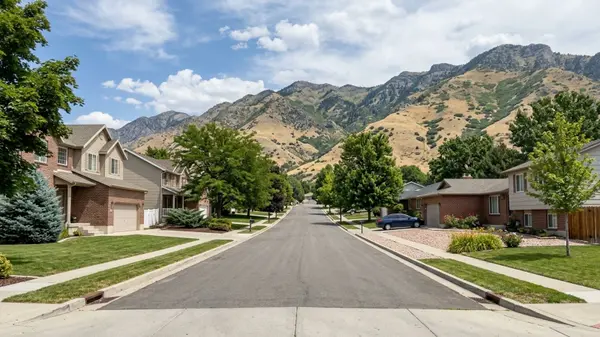
The geography defines the daily experience here. The city stretches from the shores of the Great Salt Lake on the west to the foothills of the Wasatch Range on the east. If you are moving to Layton, UT, you will find a landscape shaped by both outdoor recreation access and the massive footprint of Hill Air Force Base.
What to Expect from Daily Life
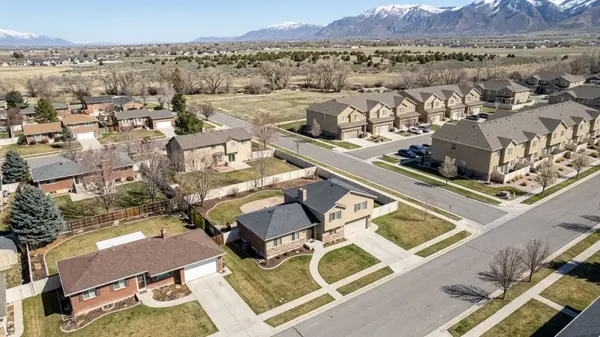
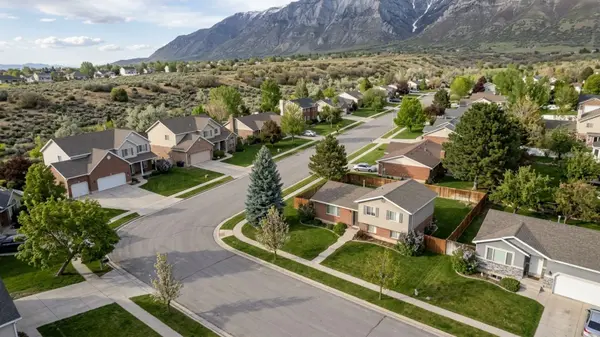
The community layout largely follows the Interstate 15 corridor, which splits the city into distinct eastern and western sections. The eastern side pushes up against the Wasatch Mountains, offering steeper terrain and immediate trail access. The western side flattens out toward the lake, featuring newer subdivisions and agricultural remnants.
Hill Air Force Base borders the northern edge of the city, and its presence dictates the local rhythm. You will regularly hear and see fighter jets overhead, which is a standard part of living in Davis County. Residents often choose their specific neighborhoods based on how close they want to be to the base gates or the main commercial strips along Hill Field Road.
Cost of Living and Local Taxes
The cost of living in Layton aligns closely with the United States national average, though housing pushes the local index slightly higher. The median household income sits above national figures, supported by a strong local aerospace and defense sector. Everyday expenses like groceries, utilities, and healthcare remain comparable to the rest of northern Utah.
Property taxes in Davis County are moderate compared to other states. The effective property tax rate hovers around 0.52% to 0.57% of a home's assessed value. Buyers should also account for the combined Utah sales tax rate, which is 7.25% as of 2026.
The Layton Housing Market
The median sale price for homes in Layton, UT is approximately $500,000 as of mid-2026. Homes spend roughly 30 days on the market before going under contract, and sellers generally receive about 99.4% of their asking price. With around 225 active listings and 3.1 months of supply, the market leans slightly toward sellers, meaning buyers should act decisively when they find a property they like.
Renters entering the market can expect average apartment costs around $2,000 per month. For buyers, the available housing inventory spans several decades and architectural styles.
-
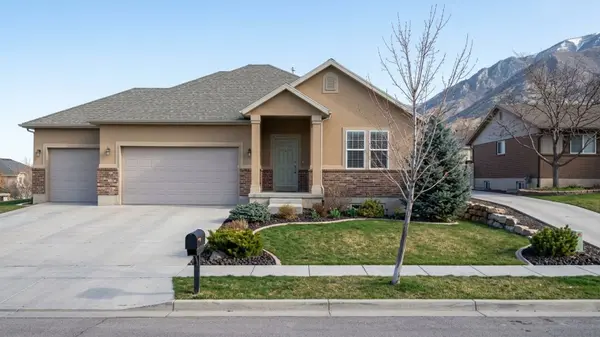
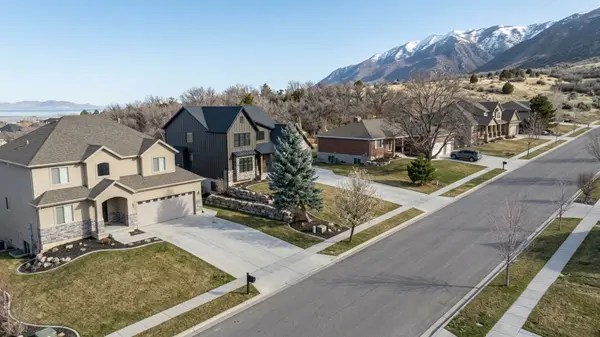
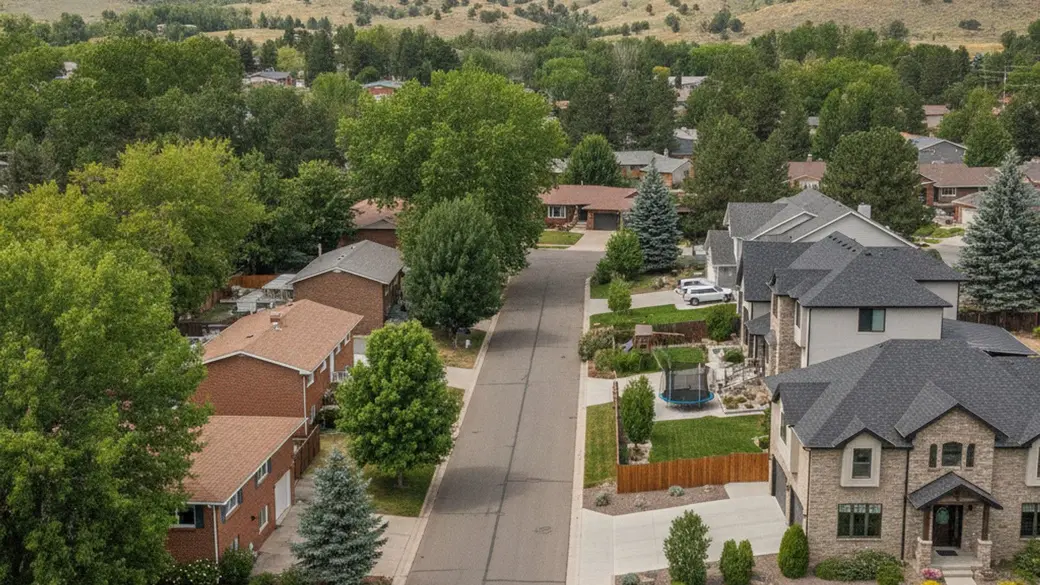
Single-family homes: Older, established brick ramblers dominate the central neighborhoods, while large, multi-story homes populate the eastern benches.
-
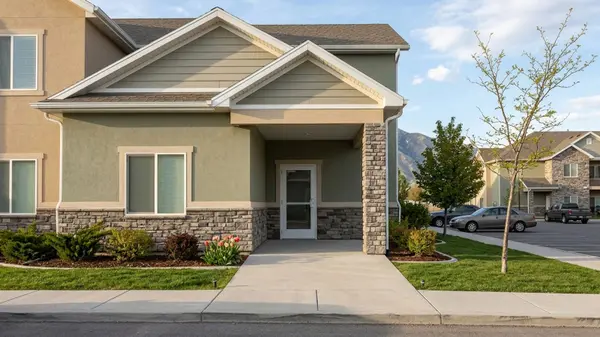
Townhouses and condos: High-density developments are common near the I-15 interchanges and the FrontRunner station.
-
New construction: Master-planned communities on the western side often come with homeowners association (HOA) rules and monthly dues.
Local Economy and Job Opportunities
Hill Air Force Base stands as the largest single-site employer in Utah and the primary economic engine for Layton. The base employs thousands of active-duty military personnel, civilian contractors, and aerospace engineers. This concentration of defense spending keeps the local labor economics stable even when broader national markets fluctuate.
Healthcare and retail provide the next largest blocks of local employment. Holy Cross Hospital - Davis anchors the medical sector, offering a range of clinical and administrative job opportunities. For those who cannot find work within the city limits, the surrounding regional economy in Ogden and Salt Lake City provides plenty of alternatives within a short drive.
Commuting and Transportation Options
Interstate 15 serves as the main artery for anyone commuting out of Davis County. Driving to Salt Lake City typically takes 30 to 45 minutes, depending on the time of day and traffic congestion patterns. Heading north to Ogden is a shorter trip, usually clocking in at 15 to 20 minutes under normal conditions.
The Utah Transit Authority (UTA) operates the FrontRunner commuter rail, which provides a reliable alternative to highway driving. Line 750 stops at the Layton Station and reaches the Salt Lake Central Station in about 30 minutes. Commuters should check the UTA schedules, as trains run roughly every 30 to 60 minutes depending on morning and evening rush hours.
Schools and Education
The Davis School District manages public education for the entire county, including all students living in Layton. The district boundaries encompass dozens of primary schools, junior highs, and high schools spread across the city. Enrollment numbers are high, reflecting the area's ongoing population growth and steady residential development.
Higher education options are also accessible without leaving the county. Weber State University operates a Davis campus right in town, offering undergraduate degrees and certificate programs. This local campus allows residents to pursue continued education without making the daily drive up to the main university in Ogden.
Weather and Outdoor Recreation
The climate in northern Utah features four distinct seasons, bringing hot, dry summers and cold, snowy winters. July temperatures often push into the upper 90s, while January brings regular snowfall that requires winter tires and a good shovel. This weather directly supports the region's massive outdoor recreation industry.
Layton sits between two major geographical landmarks, giving residents immediate access to different types of landscapes.
-
The Wasatch Mountains: The eastern edge of the city features numerous trailheads, including the popular Adams Canyon trail, which offers challenging hiking and a waterfall.
-
Antelope Island State Park: A short drive west via the causeway leads to the Great Salt Lake, where visitors can hike, camp, and view free-ranging bison.
-
Ski resorts: Major downhill skiing destinations like Snowbasin Resort are less than a 45-minute drive from the center of town.
-
Local parks and golf: The city maintains an extensive network of paved walking trails, municipal parks, and public golf courses.
Shopping, Restaurants, and Amenities
The Layton Hills Mall and the surrounding retail centers form the largest commercial hub in Davis County. This area features major national big-box stores, grocery chains, and a wide variety of restaurants. Dining options range from quick-service chains along Hill Field Road to sit-down local favorites near the city center.
While the commercial districts offer plenty of amenities, Layton is not known for its walkability. The layout is car-dependent, and running daily errands requires a vehicle. A few neighborhoods near the FrontRunner station offer limited sidewalk access to stores, but the vast majority of residents rely on cars to reach shopping and dining.
Frequently Asked Questions
Is Layton, UT a good place to live?
Layton offers a strong local economy, immediate access to mountain recreation, and a straightforward commute to Salt Lake City. The presence of Hill Air Force Base provides economic stability, though buyers should be comfortable with regular aircraft noise. It serves as a practical middle ground for those who want suburban amenities without living directly in a major urban center.
How much does a home cost in Layton Utah?
As of mid-2026, the median sale price for a home in Layton is roughly $500,000. Buyers can expect properties to stay on the market for about 30 days before selling. Townhomes and older properties often list below this median, while new construction on the eastern benches commands higher prices.
What is the cost of living in Layton, Utah?
The overall cost of living closely tracks the national average, with local utilities and groceries sitting at moderate levels. Housing remains the largest expense, especially given the current 7.25% combined sales tax rate and standard property taxes. The local median household income generally supports these costs well.
What is the commute like from Layton to Salt Lake City?
Commuters driving on Interstate 15 usually spend 30 to 45 minutes reaching downtown Salt Lake City, depending on rush hour traffic. Those who prefer public transit can take the UTA FrontRunner train. The ride from Layton Station to Salt Lake Central takes about 30 minutes and bypasses highway congestion entirely.
What are the best neighborhoods to look for a home in Layton?
The eastern bench neighborhoods appeal to buyers looking for larger lots, mountain views, and immediate trail access. The western side of the city features newer, master-planned developments with modern amenities and HOA-maintained spaces. Central Layton offers older, established homes with mature trees and quick access to the retail districts.
How does proximity to Hill Air Force Base impact daily life in Layton?
The base drives the local economy and provides thousands of jobs, making it a central part of the community identity. The most noticeable daily impact is aircraft noise, as fighter jets run regular training flights over the city. Traffic near the base gates also spikes during morning and afternoon shift changes.
Categories
Recent Posts