
What to Expect From the Cost of Living in Layton, UT in 2026
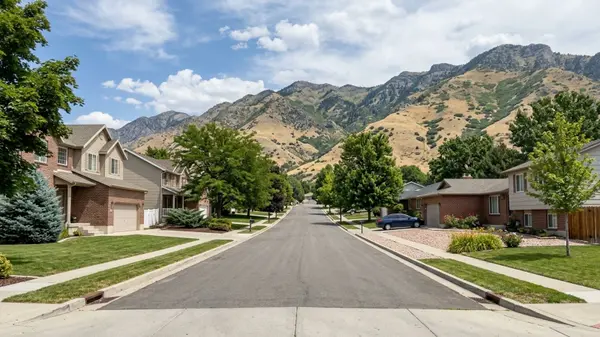
Layton sits right in the middle of Davis County, offering a direct commute to both Salt Lake City and Ogden. As the area grows, homebuyers and renters are looking closely at the numbers to see if moving here makes financial sense. Finding the best real estate agent in Layton, UT will help you make the right choice for your budget.
The cost of living in Layton, UT blends suburban housing prices with access to major Wasatch Front job centers like Hill Air Force Base. Understanding local property taxes, utility averages, and everyday expenses will help you build an accurate budget for 2026.
How Layton Compares to the National Average
Overall expenses in Layton run slightly higher than the national average, primarily driven by housing demand along the Wasatch Front. While everyday goods hover close to the baseline, real estate prices have pushed the local index upward in recent years.
Utah levies a state sales tax, and Davis County adds local transit and municipal taxes on top of it. In Layton, you will pay around 7.15% on most non-grocery retail purchases, which factors into the cost of household goods and dining out.
Median household incomes in the area typically align with these expenses, supported by major local employers in aerospace, defense, and healthcare. Budgeting for Layton means balancing those local wages against the realities of a growing Northern Utah economy.
Housing Costs and Home Prices in Layton
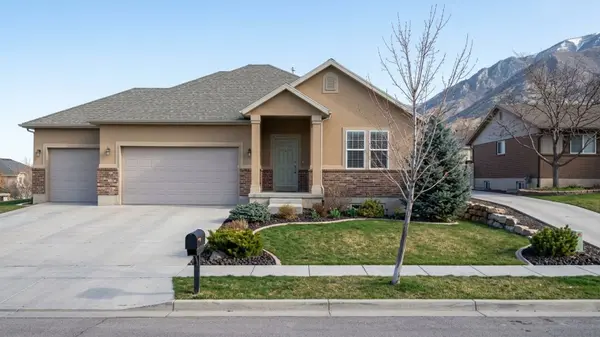
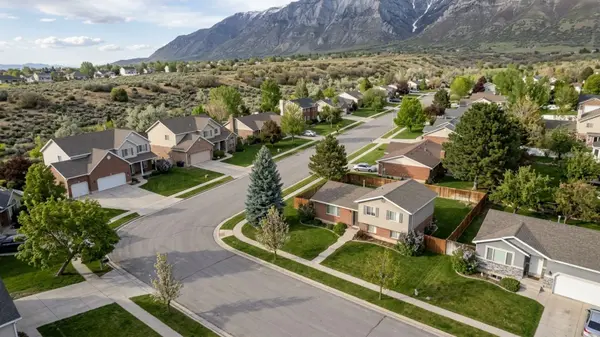
Real estate is typically the largest line item in any household budget, and Layton is no exception. As of mid-2026, the median home sale price sits right around $500,000. Homes stay on the market for roughly 30 days, showing steady demand from buyers.
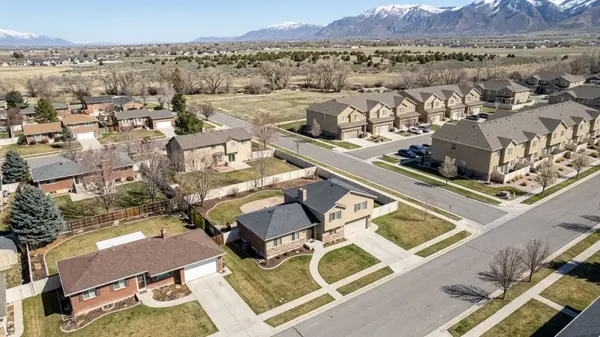
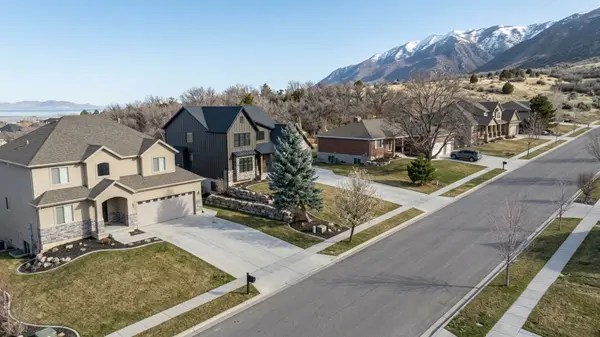
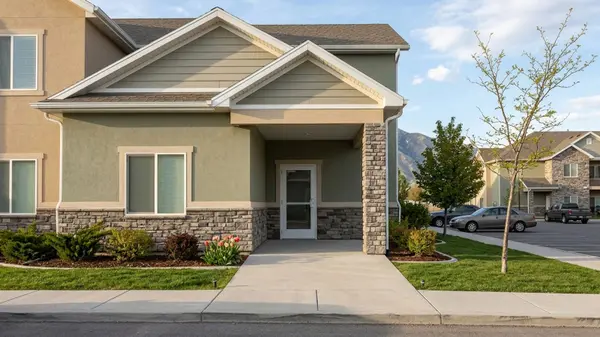
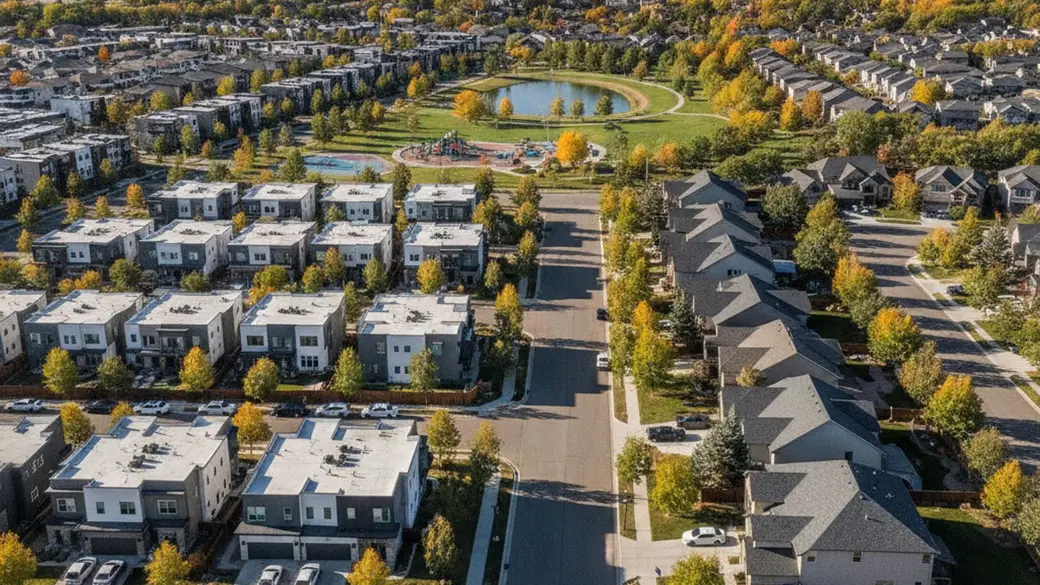
Buyers will find a mix of single-family homes and newer townhouses, with inventory hovering around 225 available properties. Townhomes generally offer a lower entry point, though you should factor monthly homeowners association fees into your budget. About a third of recent sales closed above the asking price, meaning buyers should prepare competitive offers.
Davis County property taxes are relatively low compared to other states, with an effective rate of approximately 0.62%. Utah also offers a primary residential exemption, which shields 45% of an owner-occupied home's assessed value from property taxes. This exemption provides noticeable monthly savings for full-time residents compared to real estate investors.
Average Rent by Property Type
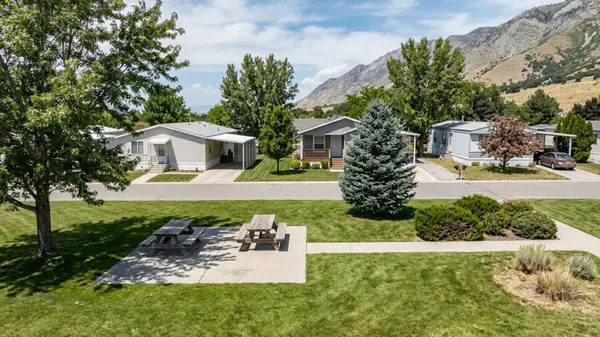
Renting in Layton provides a flexible alternative to buying, especially for new residents testing out different neighborhoods or commuting routes. The local rental market includes large apartment complexes near the I-15 corridor and single-family homes in residential subdivisions.
Overall, the average rent in the city is approximately $1,482 per month, though your actual payment depends on the unit's size and age. Renters can expect to see varied pricing across different property configurations:
-
Studio apartments average $979 per month.
-
One-bedroom units cost around $1,271 per month.
-
Two-bedroom apartments run about $1,562 per month.
-
Three-bedroom units and single-family rentals average $1,945 per month.
Most property managers require a standard 12-month lease and an upfront security deposit. Renters should also ask if municipal utilities like water and trash collection are included in the base rent or billed separately.
Utility Bills and Grocery Prices
Monthly utilities in Utah are generally lower than the national average, thanks to regulated energy costs and local infrastructure. A typical household pays around $200 per month for combined utilities, though this fluctuates with the seasons. Electric bills average between $94 and $137 monthly, peaking during the hot summer months when air conditioning runs continuously.
Layton City manages municipal services, meaning residents receive a consolidated bill for water, sewer, and trash collection. Natural gas is billed separately through Dominion Energy, and those costs spike during Northern Utah's cold winters.
Food costs in Davis County track closely with the rest of the state. A single adult can expect to spend about $323 per month on groceries. Local shoppers have access to large regional chains like Smith's and WinCo, which helps keep daily food expenses manageable.
Transportation Costs and Commute Times
Most Layton residents rely on personal vehicles, making gas and auto maintenance a regular part of the monthly budget. The city borders Hill Air Force Base, making for a short, inexpensive commute for base employees and civilian contractors.
For those working outside the city, I-15 is the primary artery connecting Layton to Salt Lake City to the south and Ogden to the north. Driving to downtown Salt Lake City takes about 30 to 40 minutes in normal traffic, so commuters should budget for regular fuel fill-ups.
The UTA FrontRunner commuter rail offers a public transit alternative, with a dedicated station right in Layton. A monthly transit pass reduces wear and tear on a personal vehicle and provides a predictable, fixed transportation cost for daily commuters.
Healthcare, Childcare, and Education Expenses
Routine medical care and specialist visits are easily accessible within the city limits. Davis Hospital and Medical Center operates as a primary hub for emergency and inpatient care, reducing the need to travel to Salt Lake City for major medical procedures. Out-of-pocket costs and premiums for health insurance align with standard Utah state averages.
Childcare is a significant expense for young households in Davis County. Full-time daycare for infants and toddlers often costs several hundred dollars a month, depending on the facility's hours and certifications. Parents should tour centers early, as waitlists for popular local facilities are common.
Public education is managed by the Davis School District, which is funded through state income taxes and local property taxes. There are no direct tuition fees for public schools, though parents should budget for extracurricular activities, school supplies, and optional lunch programs.
Lifestyle Costs and Outdoor Recreation
One of the main reasons people move to Northern Utah is the access to outdoor recreation, which can be surprisingly affordable. Layton City Park and the extensive local trail systems are free to use year-round.
Antelope Island State Park sits just west of the city, offering hiking, biking, and wildlife viewing. An annual Utah State Parks pass provides unlimited entry, making it a cost-effective weekend activity for residents.
Winter sports require a larger financial commitment. While Layton does not have its own ski resort, Snowbasin and Powder Mountain are a short drive up Weber Canyon. Locals budget for season passes, winter tires, and gear rentals to take advantage of the nearby slopes.
Frequently Asked Questions
What is the median home price in Layton, UT in 2026?
As of mid-2026, homes in Layton sell for a median price of roughly $500,000. Properties typically spend about 30 days on the market before going under contract.
How much are property taxes in Davis County?
The effective property tax rate in Davis County is approximately 0.62%. Owner-occupied primary residences receive a 45% exemption, meaning you only pay taxes on 55% of your home's assessed value.
Is Layton cheaper to live in than Salt Lake City?
Yes, Layton generally offers lower housing costs and rental rates than Salt Lake City proper. However, residents who commute into Salt Lake City should factor the daily travel expenses and fuel into their overall budget.
What is the average income in Layton, Utah?
Median household incomes in Layton are competitive for the state, bolstered by major regional employers like Hill Air Force Base. Wages typically align with the area's living expenses, allowing many residents to afford local median-priced homes.
What is the average rent by property type in Layton, Utah?
The overall average rent is roughly $1,482 per month. Studio apartments start around $979, while larger three-bedroom units and single-family homes average closer to $1,945 monthly.
How much should I budget for monthly utilities and groceries in Layton?
Expect to spend about $200 per month on combined utilities, with electricity running between $94 and $137. Groceries average out to roughly $323 per person each month.
How does commuting from Layton to Hill AFB or Salt Lake City impact monthly transportation costs?
Working at Hill AFB keeps commuting costs low due to the immediate proximity. Commuting 25 miles south to Salt Lake City increases fuel and vehicle maintenance budgets, though the UTA FrontRunner provides a fixed-cost alternative.
Categories
Recent Posts