
Deciding Between Layton, UT and Salt Lake City, UT for Your Next Move
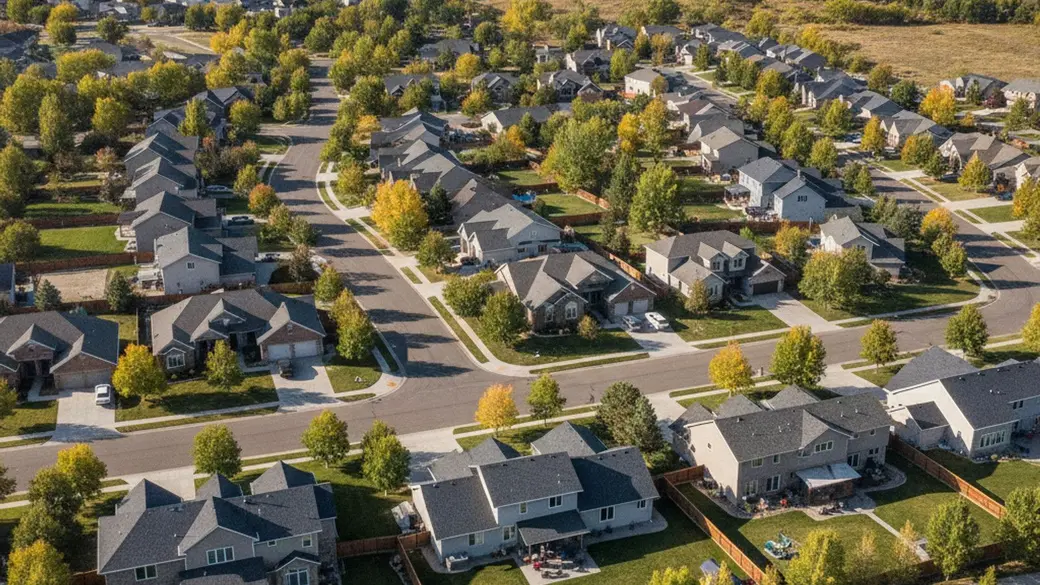
Buyers moving to northern Utah usually weigh the suburban layout of Layton against the urban center of Salt Lake City. The two cities sit about 24 miles apart along Interstate 15. This stretch of highway connects two distinct housing markets along the Wasatch Front. Finding the best real estate agent in Layton, UT helps buyers easily compare these local options.
Choosing between Layton, UT and Salt Lake City, UT comes down to housing costs, commute times, and daily lifestyle preferences. Salt Lake City offers dense neighborhoods and quick access to downtown employers, while Davis County provides more space and lower median home prices.
Comparing Home Prices and Real Estate Options
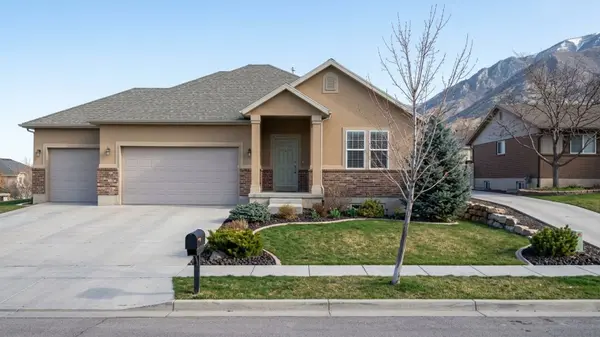
The median home value in Layton, UT sits at roughly $500,000 as of mid-2026. Buyers looking in this Davis County suburb will mostly find single-family homes with larger yards and attached garages. These properties often appeal to buyers seeking more square footage for their budget.
Salt Lake City properties carry a higher price tag, with a median single-family home price around $660,000. The housing options here include a mix of historic bungalows, modern downtown condos, and townhomes.
Buyers should factor property taxes and homeowner association dues into their monthly budgets. Salt Lake County and Davis County assess taxes differently, and many downtown condos come with higher HOA fees to cover building maintenance and shared amenities.
Commute Times and Transit Routes
Driving from Layton to Salt Lake City takes about 30 to 45 minutes on Interstate 15 during off-peak hours. Rush hour traffic often extends that drive time, especially around the county line. Commuters should test this drive during their actual travel hours before making a final housing decision.
The Utah Transit Authority operates the FrontRunner commuter rail for those who prefer to skip the highway. A typical ride from the Layton Station to Salt Lake Central Station takes roughly 45 minutes.
Both locations offer straightforward routes to the Salt Lake City International Airport. Salt Lake City residents can reach the terminals via a short drive or the TRAX light rail, while Layton residents usually drive south along I-15 and I-215.
Local Parks, Shops, and Entertainment
Salt Lake City serves as the primary cultural and economic hub of the Wasatch Front. Residents have immediate access to professional sports arenas, large arts venues, and a dense concentration of restaurants. The downtown grid also supports a more active nightlife scene.
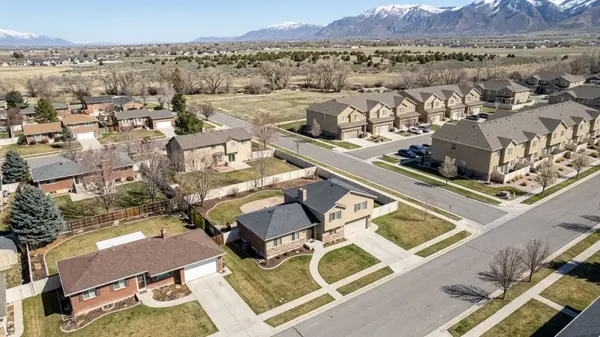
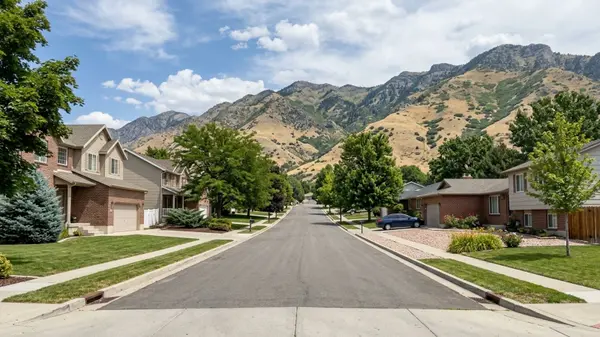
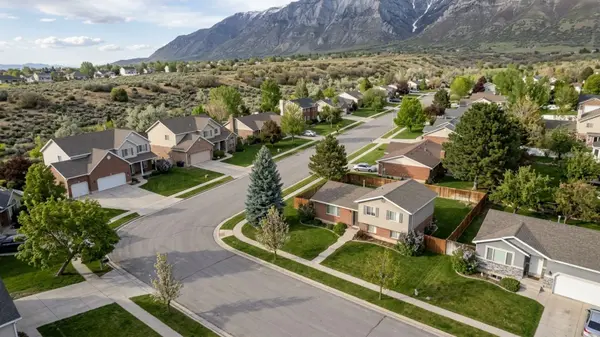
Layton provides a more relaxed suburban setting with immediate access to outdoor recreation. The city sits close to the causeway leading to Antelope Island State Park and offers several trailheads stretching into the Wasatch Range.
Retail and employment options in Davis County center around the Layton Hills Mall and the nearby Hill Air Force Base. The base employs thousands of civilians and military personnel, shaping much of the local economy and housing demand.
Schools, Hospitals, and Local Infrastructure
Public school attendance in these two areas falls under different administrative bodies. Students in Layton attend the Davis School District, while those in the capital fall under the Salt Lake City School District.
Buyers should check specific school boundary maps when searching the local MLS. Boundary lines change periodically, and a home's exact address determines which schools are assigned to that property. Your real estate agent can filter available listings based on these district borders.
Both cities provide access to major medical centers and specialty clinics. Layton residents utilize facilities like Holy Cross Hospital - Davis, while Salt Lake City is home to the University of Utah Hospital and numerous downtown medical campuses.
Deciding Where to Buy Your Next Home
Homes in Layton spend an average of 30 days on the market, giving buyers a bit of time to tour properties and make offers. The inventory in Davis County hovers around 225 available homes, translating to roughly three months of supply. Sellers in this market still see strong demand, with many homes closing near their asking price.
Buyers looking for a walkable neighborhood with immediate transit access tend to focus their search on Salt Lake City. Those who want a standard single-family home at a lower price point often look north to Layton.
Touring homes in both cities helps clarify which layout and commute make the most sense for your schedule. A local real estate agent can set up showings in both Davis and Salt Lake counties to compare your options side by side.
Frequently Asked Questions
Which city has a lower cost of living, Layton or Salt Lake City?
Layton generally offers a lower cost of living than Salt Lake City. Housing costs drive most of this difference, as median home prices in Davis County sit well below those in Salt Lake County. Daily expenses like groceries and utilities remain fairly comparable across the Wasatch Front.
How do median home prices in Layton, UT compare to Salt Lake City?
The median sale price for a home in Layton is approximately $500,000. In contrast, the median price for a single-family home in Salt Lake City is around $660,000. Buyers can often find more square footage for their budget in Layton.
How far is Layton, Utah from Salt Lake City?
Layton is located about 24 miles north of Salt Lake City. The most direct route between the two cities is Interstate 15, which connects Davis County straight into the downtown corridor. The drive typically takes under an hour without traffic.
How long does the FrontRunner take from Layton to Salt Lake City?
A standard trip on the UTA FrontRunner takes about 45 minutes from the Layton Station to Salt Lake Central. This commuter train runs Monday through Saturday, offering an alternative to highway traffic. Riders can then connect to the TRAX light rail system to reach other parts of the city.
How do the schools and healthcare facilities in Layton compare to Salt Lake City?
Layton is served by the Davis School District and facilities like Holy Cross Hospital - Davis. Salt Lake City operates its own school district and houses massive medical campuses like the University of Utah Hospital. Both areas provide robust infrastructure, but Salt Lake City offers more specialized medical clinics.
What are the pros and cons of living in Layton, Utah?
Layton provides more affordable single-family homes and easy access to outdoor recreation at Antelope Island. The main drawback is the 30-to-45-minute commute for residents who work in downtown Salt Lake City. Buyers should weigh the lower housing costs against their daily travel time.
Categories
Recent Posts