
What to Know About the Weather and Climate in Layton, UT
Layton sits at an elevation of about 4,226 feet along the Wasatch Front, giving it a true four-season climate. The weather and climate in Layton, UT dictate everything from how you maintain your home to how long it takes to drive down I-15 in January. If you plan to buy a property, the best real estate agent in Layton, UT can help you evaluate homes suited for these seasonal changes.
Buyers relocating to the area often ask what to expect during the winter months and the dry summers. Understanding the local temperature swings, annual snowfall, and precipitation patterns helps you prepare for life in Davis County.
The Four Seasons of Layton
Layton experiences distinct seasonal changes, with hot, dry summers and cold, snowy winters. The transitional seasons of spring and fall bring moderate temperatures and occasional rain showers.
July is typically the hottest month, with average high temperatures reaching around 90°F. Because the humidity remains low, the heat feels less oppressive than in coastal states, and evening temperatures usually drop into the comfortable 60s. This dry summer pattern means residents rely on efficient central air conditioning and strategic lawn watering schedules.
Winter conditions set in by late November, bringing average January highs of 33 to 35°F and lows dipping between 18 and 25°F. Annual snowfall totals range from 38 to 52 inches across the city. The higher elevations on the east bench typically see more snow accumulation than the western side of town.
Overall annual precipitation averages 20 to 23 inches, mostly falling as winter snow and spring rain. By the time fall arrives, the weather cools down quickly, offering clear, sunny days and crisp evenings before the first freeze.
How the Local Climate Affects Housing
The median home price in Layton, UT is around $500,000, and buyers typically face an active market where homes spend roughly 30 days on the market before selling. When evaluating these properties, you should look closely at how they handle the local temperature extremes.
With an inventory of about 225 available homes right now, you will notice certain architectural and mechanical features are standard across Davis County. Builders and homeowners adapt to the freeze-thaw cycle and the hot July sun.
-
HVAC Systems: Homes need central air conditioning for the summer and reliable gas furnaces to manage the freezing winter months.
-
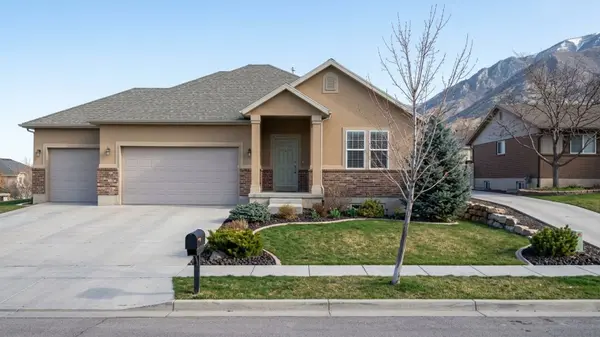
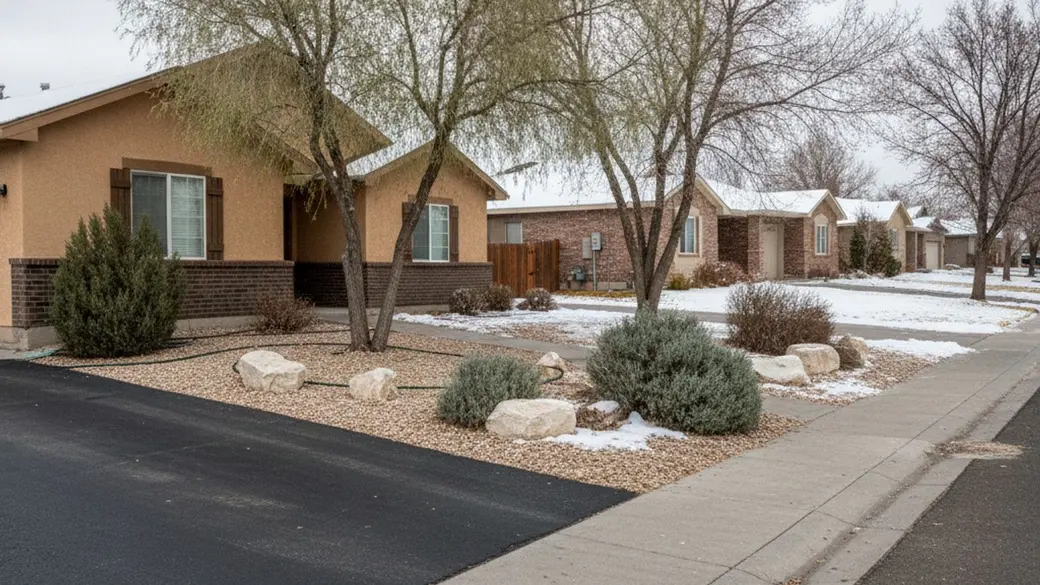
Exterior Materials: Durable siding like stucco and brick are common because they withstand low humidity and winter moisture well.
-
Insulation and Windows: Double-pane insulated windows help maintain indoor temperatures and lower utility bills during both mid-summer heat and January cold snaps.
-
Driveway Maintenance: The constant freezing and thawing of snowmelt can crack concrete, so sealing driveways before winter is a standard maintenance task.
Winter Driving and I-15 Commutes
Hill Air Force Base borders Layton directly to the north, making for a short daily drive for military personnel. Commuting south to Salt Lake City covers about 25 miles and usually takes 19 to 25 minutes in clear weather.
During the winter months, snow and ice quickly alter those travel times. A heavy morning storm can double the commute down the I-15 corridor as traffic slows for plows and slick conditions. Drivers should equip their vehicles with snow tires or all-weather tires starting in November.
Layton City prioritizes clearing major arterial roads first, followed by steep residential streets on the upper benches, and finally flat neighborhood cul-de-sacs. If you buy a home higher up on the east bench, you will likely wait a bit longer for street clearing and deal with steeper, slicker driving routes.
Exploring the Outdoors Throughout the Year
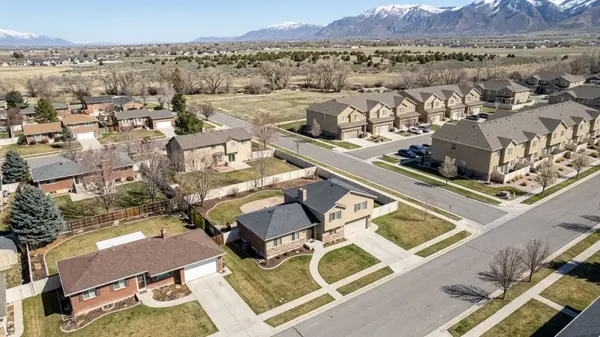
Layton's climate supports year-round outdoor recreation, though the activities shift dramatically with the seasons. The nearby Wasatch Mountains dictate much of the local lifestyle.
Hikers enjoy the dry summer heat, while skiers wait for deep winter powder. The local weather patterns provide clear windows for different sports.
-
Summer Hiking: Trails like the Adams Canyon Trail offer shaded hikes and waterfall views that are most accessible from late spring through early fall.
-
City Parks: Layton City Park and other municipal green spaces stay active during the dry summers with sports leagues and community events.
-
Winter Sports: Snowbasin Resort and Powder Mountain sit just a short drive away, offering skiing and snowboarding from December through April.
Tracking the Local Forecast
Mountain weather changes fast, and keeping an eye on the 10-day weather forecast helps you plan your week. A sunny morning can occasionally transition into an afternoon thunderstorm during the spring and summer.
Residents often use apps like AccuWeather or check data from local weather stations to monitor hourly temperature drops and incoming snow squalls. Radar tools are particularly useful in the winter to see when a snowband might hit the I-15 corridor.
You should also monitor local air quality alerts during both summer and winter. Summer wildfires in neighboring states can push smoke into the valley, while winter temperature inversions sometimes trap cold air and smog near the valley floor for several days.
Frequently Asked Questions
Does Layton, Utah get a lot of snow?
Yes, Layton receives an average of 38 to 52 inches of snow per year. The exact amount varies by elevation, with neighborhoods on the east bench getting noticeably more snow than those further west.
What are the average monthly temperatures in Layton, UT?
Summer highs in July average around 90°F, while winter highs in January hover around 34°F. Nighttime lows drop into the 60s in the summer and the teens or low 20s during mid-winter.
Is Layton, Utah prone to flooding?
While widespread flooding is rare, localized runoff issues can occur during rapid spring snowmelts. Homes near creeks or on steep inclines should maintain proper drainage and grading to divert melting snow away from the foundation.
How does winter weather affect the I-15 commute from Layton to Salt Lake City?
A normal 25-minute drive to Salt Lake City can take 45 minutes or more during an active snowstorm. Snowplows actively clear I-15, but lower speeds and slick spots slow down the entire corridor.
Do homes in Layton require special winterization or weatherproofing?
Homeowners should disconnect exterior hoses, blow out sprinkler systems, and seal drafty windows before November. The local freeze-thaw cycle also makes it smart to seal concrete driveways to prevent winter cracking.
Is there a difference in weather between the East Layton bench and West Layton?
Yes, the East Layton bench sits at a higher elevation, resulting in slightly cooler temperatures and higher snow totals. West Layton is flatter and generally sees snow melt faster after a winter storm.
Categories
Recent Posts