
Comparing Real Estate in Layton, UT vs Fruit Heights, UT for 2026
Davis County sits right between Salt Lake City and Ogden, offering distinct housing options along the Wasatch Front. Buyers looking in this corridor often narrow their search to two adjacent but very different municipalities: Layton and Fruit Heights. Working with the best real estate agent in Layton can help you find the right property in either city.
Layton operates as one of the county's largest economic hubs, packed with retail centers and diverse housing developments. Right next door, Fruit Heights functions almost entirely as a residential enclave with larger lots and minimal commercial zoning.
Choosing between them comes down to how much space you want and how close you prefer to be to major shopping districts. Both cities share the same mountain backdrop, but their housing markets cater to different buyer priorities.
City Scale and Zoning Differences in Davis County
Layton covers over 22 square miles and holds a population large enough to support major retail corridors, a regional hospital, and extensive mixed-use developments. The city limits stretch from the shores of the Great Salt Lake up toward the Wasatch foothills. This large footprint means Layton offers a dense, self-contained infrastructure. You can live, work, and shop without ever leaving the city boundaries.
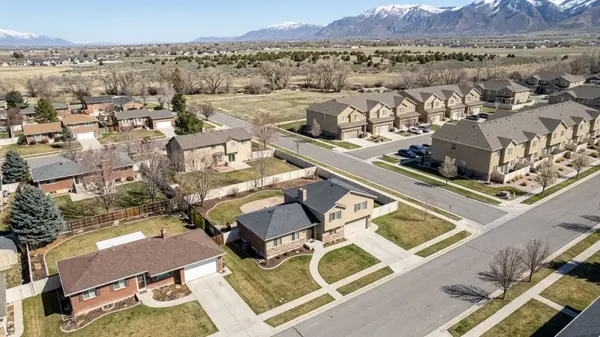
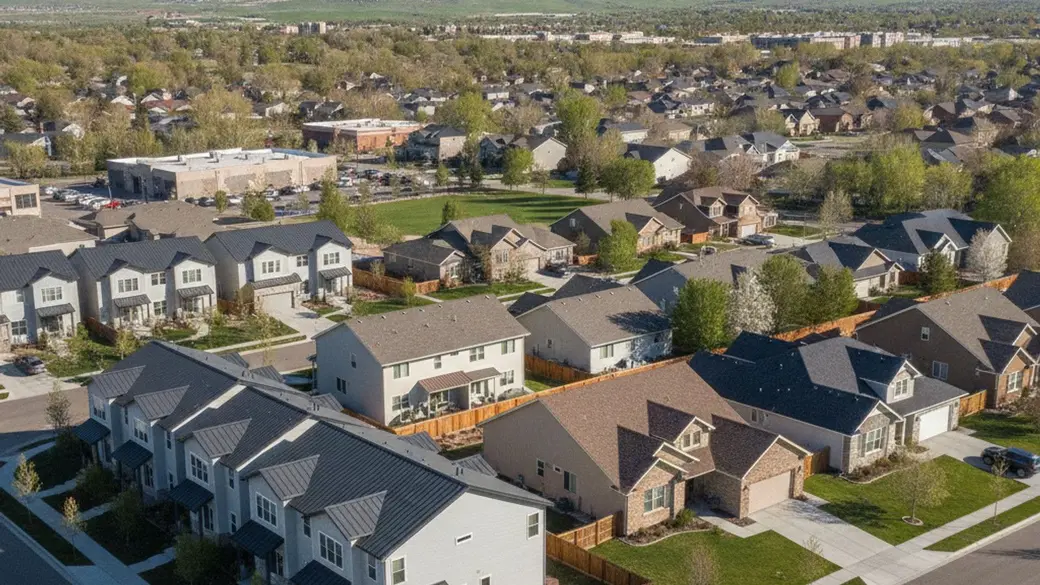
The zoning in Layton accommodates everything from high-density townhomes near Interstate 15 to large single-family properties further east. Fruit Heights takes the opposite approach. Covering less than three square miles, it is zoned almost exclusively for residential use. The local government prioritizes preserving open space and larger property lines over commercial expansion.
Because of this zoning strategy, Fruit Heights has no major grocery stores or big-box retailers within its borders. Residents rely on neighboring cities for most of their daily errands, trading immediate commercial access for a strictly residential environment.
Home Prices, Lot Sizes, and Property Styles
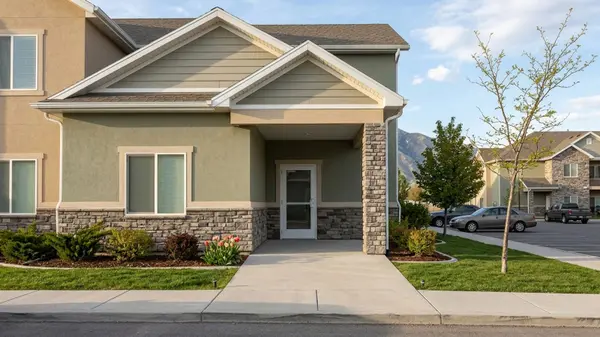
The median home sale price in Layton sits right around $500,000 this year. Homes here spend an average of 30 days on the market, with recent data showing about 225 active listings on a given week. Layton's inventory includes a wide variety of property types. Buyers can find entry-level condos, mid-range townhomes, and established single-family homes built over the last five decades.
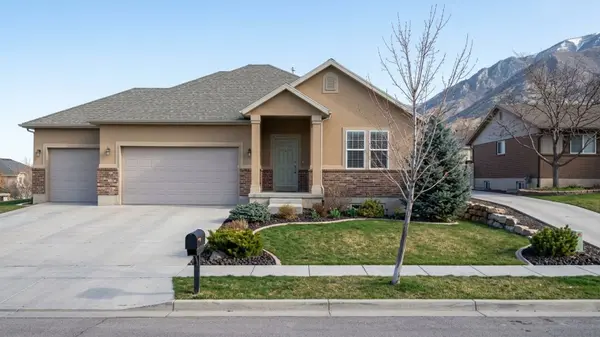
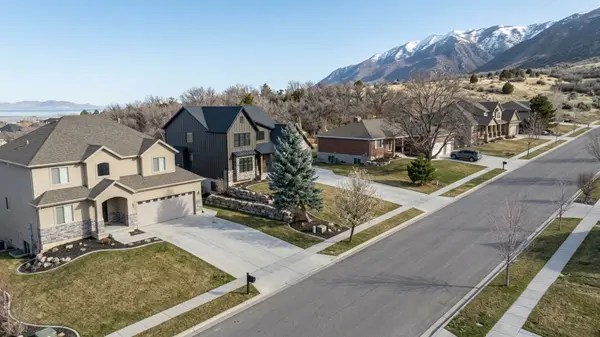
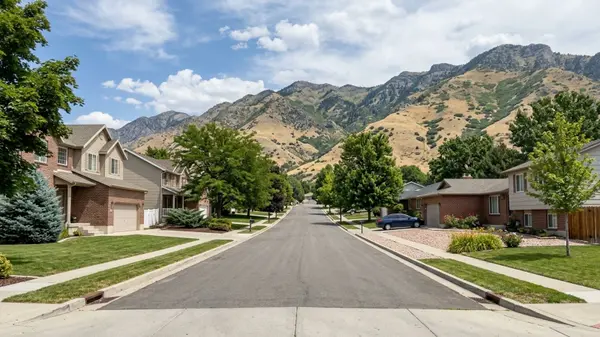
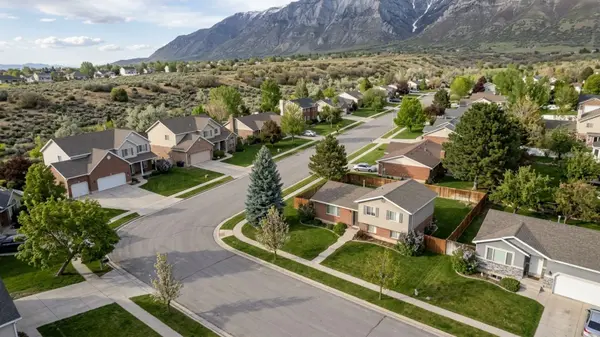
Fruit Heights operates in a higher price bracket, with median home values currently ranging between $715,000 and $765,000. The housing supply consists almost entirely of single-family homes on larger lots, often a quarter-acre or more. You will rarely find townhomes or high-density subdivisions in Fruit Heights.
The homes in Fruit Heights tend to feature larger square footage, and many properties along the eastern bench offer unobstructed views of the valley. Buyers in both cities should factor in the Davis County effective property tax rate, which runs roughly 0.57%.
Highway Access and Daily Commute Times
Commuters leaving Layton generally reach downtown Salt Lake City in about 30 minutes via Interstate 15. The interstate runs directly through the center of town, providing multiple on-ramps for quick north-south travel. Layton also borders Hill Air Force Base, making it a primary housing choice for civilian contractors and military personnel. The drive to the base gates takes less than 15 minutes from most Layton neighborhoods.
Fruit Heights sits slightly further east, using Highway 89 as its main transportation corridor. Highway 89 connects directly to I-15 and I-215, putting the drive to Salt Lake City at roughly 21 to 25 minutes depending on morning traffic.
The recent upgrades to Highway 89 have streamlined travel for Fruit Heights residents heading north to Ogden or south toward Farmington. While Fruit Heights lacks immediate I-15 access, the proximity of Highway 89 ensures travel times remain competitive with the rest of Davis County.
Local Shopping Centers and Grocery Access
Layton Hills Mall anchors a massive retail district that serves the entire northern half of Davis County. The surrounding area includes major national grocery chains, big-box hardware stores, and dozens of restaurants. If you buy a home in Layton, you are never more than a few minutes from a supermarket or a pharmacy.
The commercial density in Layton means daily errands require minimal driving. Local dining options range from fast casual to sit-down restaurants along the main thoroughfares. Fruit Heights residents travel across city lines for almost all retail needs. The town has a few small local businesses, but zero large-scale commercial centers.
To buy groceries or dine out, Fruit Heights locals typically drive south to Station Park in Farmington or west into Kaysville and Layton. This adds a few extra miles to daily errands, which is a deliberate trade-off for the town's residential focus.
Parks, Hiking Trails, and Mountain Access
The Adams Canyon trailhead sits right on the border of Layton and Fruit Heights, offering one of the most popular hiking routes in northern Utah. The trail climbs into the Wasatch Range and ends at a 40-foot waterfall. Both cities provide immediate access to the mountains, and residents can reach the Snowbasin ski resort in about 30 minutes via Highway 89 and Weber Canyon.
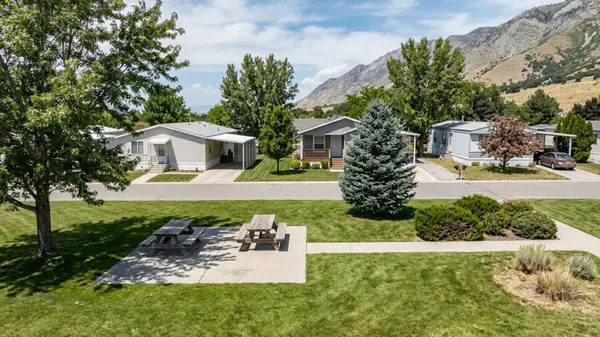
Layton maintains a large network of municipal parks, including the expansive Layton Commons Park, which features paved walking paths and open green space. The city also operates public recreation centers and aquatic facilities.
Fruit Heights offers a quieter outdoor experience, highlighted by the Davis Park Golf Course. The Baer Creek Trail also runs through the area, providing a paved path for walking and cycling that connects several residential subdivisions.
Public School Assignments in Davis County
All public schools in both municipalities operate under the Davis School District. The district manages enrollment boundaries that occasionally shift based on population growth along the Wasatch Front. Layton contains multiple elementary, junior high, and high schools within its city limits.
Layton High School and Northridge High School serve the majority of the city's teenage residents, keeping daily school commutes relatively short. Fruit Heights students typically attend schools located in neighboring Kaysville. Most high school students from Fruit Heights are zoned for Davis High School, located just a few miles away.
Parents in both areas also have access to regional charter schools. North Davis Preparatory Academy in Layton is a common choice for buyers looking for alternative education models within a short drive.
Frequently Asked Questions
Is Fruit Heights more expensive than Layton?
Yes. The median home price in Fruit Heights typically ranges between $715,000 and $765,000, while Layton sits closer to $500,000. This price gap exists because Fruit Heights consists almost entirely of large single-family homes, whereas Layton offers more affordable townhomes and condos.
What school district serves Layton and Fruit Heights?
Both municipalities fall under the Davis School District. Layton has its own high schools within city limits, while Fruit Heights teenagers generally commute to Davis High School in adjacent Kaysville.
How do Layton and Fruit Heights compare in terms of lifestyle and amenities?
Layton provides immediate access to major retail centers like the Layton Hills Mall and numerous dining options. Fruit Heights lacks commercial zoning, offering a quieter residential environment where locals drive to neighboring towns for groceries and entertainment.
How do commute times to Salt Lake City and Hill AFB compare between Layton and Fruit Heights?
Layton residents can reach Salt Lake City in about 30 minutes via I-15, and Hill AFB is less than a 15-minute drive from most local neighborhoods. Fruit Heights commuters primarily use Highway 89, putting the drive to Salt Lake City at roughly 21 to 25 minutes.
What types of property styles and lot sizes are available to buyers in Layton versus Fruit Heights?
Layton features a mix of high-density townhomes, condos, and single-family houses built over the last fifty years. Fruit Heights focuses on low-density housing, offering large single-family homes that frequently sit on quarter-acre or half-acre lots.
Will I need to rely on Layton for retail and grocery shopping if I buy a home in Fruit Heights?
Yes, you will need to leave town for most errands. Fruit Heights residents typically drive to Layton, Kaysville, or Station Park in Farmington to access large supermarkets and big-box retailers.
Categories
Recent Posts