
How to Calculate Property Taxes in Layton, UT
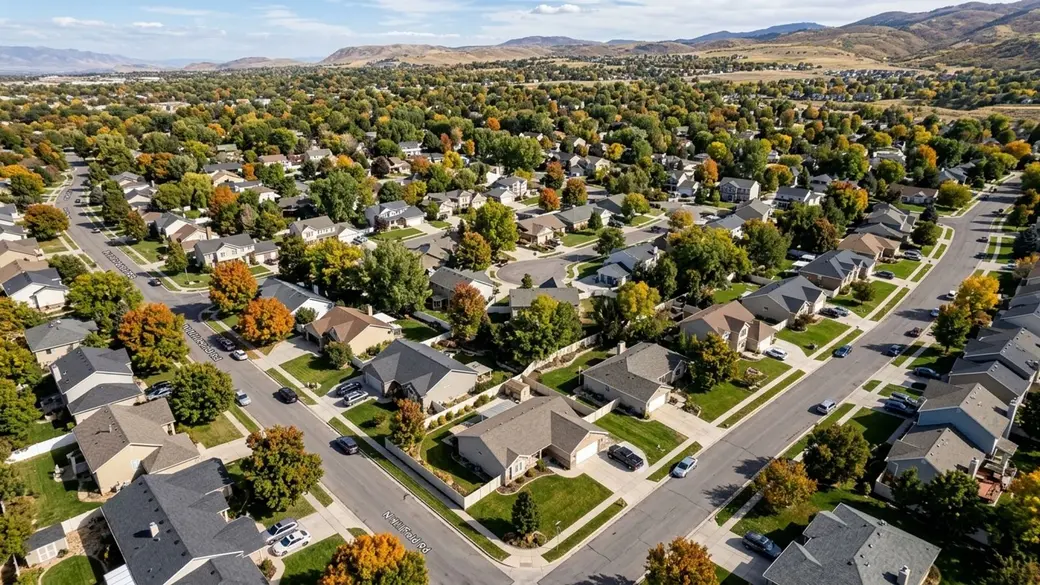
The median sale price for a home in the Layton housing market is currently around $500,000, and available homes are selling in roughly 30 days. At that pace, it's easy to get caught up in the offer and forget to think through what you'll actually owe every year. Property taxes vary by specific neighborhood and school district boundaries, so knowing the baseline rates before you're under contract is worth your time.
Utah carries one of the lowest property tax burdens in the country, but local levies still add up. Depending on exactly where you buy within the city, your bill will include state, Davis County, city, and special district assessments - and those numbers combine differently depending on which tax district your address falls into.
Property Tax Rates in Layton and Davis County
Layton's median effective property tax rate sits at approximately 0.54%, which works out to a median annual tax bill of about $2,366. That's a citywide average - actual rates fluctuate based on the specific tax district where a home is located. Each district layers levies from the city, Davis County, local school districts, and various special service areas on top of one another.
Davis County as a whole runs a median effective property tax rate between 0.48% and 0.57%, landing slightly above the state average but generally below neighboring Salt Lake County. The median annual tax bill across the county falls between $2,726 and $2,763.
How Layton Compares to State Averages
Utah's statewide average effective property tax rate is roughly 0.49% - ninth-lowest in the nation. With Layton homes currently selling at an average of 99.4% of their list price, that comparatively low rate does provide some cushion for buyers working at the top of their budget.
If you're relocating from out of state, there's a reasonable chance you were paying more where you came from. That said, the exact percentage you'll pay depends on your specific tax district boundaries. Two homes with identical values on opposite sides of town can carry slightly different bills - something worth confirming before you close.
How Utah Calculates Your Assessed Value
Utah applies a primary residential exemption that reduces the taxable value of owner-occupied homes. Under the Utah State Constitution, this exemption removes 45% of a home's fair market value from taxation for up to one acre of land. In plain terms: you only pay property taxes on 55% of your home's assessed market value.
To qualify, the property must serve as your primary residence for the majority of the year. Investment properties, second homes, and vacant land don't receive that 45% reduction - they're taxed on full market value. The Davis County Assessor determines fair market value annually based on recent comparable sales in the area.
Example Tax on a Typical Layton Home
If you purchase a home at the current median sale price of $500,000, the primary residential exemption immediately cuts the taxable portion down. Subtracting 45% leaves a taxable value of $275,000 - and the local rate applies only to that lower figure, not the full half-million.
Applying Layton's median effective rate of 0.54% to that $275,000 taxable value yields an estimated annual bill of $1,485. That's a useful ballpark, not a guarantee. The exact millage rate tied to your specific address is what ultimately determines your final total.
Sales Tax and Special District Assessments
The combined sales tax rate in Layton is 7.25% - built from a 4.85% Utah state rate, a 1.8% Davis County tax, a 0.1% Layton city tax, and a 0.5% special district tax. If you're budgeting for furniture, appliances, or renovations after closing, that's the rate you're working with.
Some newer subdivisions in Layton also include Public Infrastructure Districts (PIDs) or special assessment areas. These districts fund local improvements like roads, water lines, and parks by tacking an extra assessment onto the property tax bills of homes within their boundaries. It's not common knowledge, and it doesn't always come up until you're deep into the transaction. Always ask your agent to check the title report for any active PIDs before you close.
Highest and Lowest Taxes in Utah
Property taxes vary widely across the state depending on local services and property values. Summit County holds the highest property taxes in Utah, with median annual bills ranging from $1,921 to $3,469 - driven largely by high property values in the county's resort areas. Rich County sits at the other end, with median tax bills running between $422 and $846.
Davis County falls somewhere in the middle, offering a balance of moderate taxes and access to the broader regional economy.
Looking Up and Paying Your Tax Bill
The Davis County Treasurer and Assessor offices manage property tax records, billing, and collections for Layton residents. Property tax information is public record, so you can look up the assessed value and tax history of any specific address before making an offer. The county's online property search tool makes that straightforward.
Payments are typically due in late November each year. If your mortgage includes an escrow account, your lender handles the payment automatically - you won't need to think about it. Without an escrow account, you can pay directly through the Davis County Treasurer's website by bank transfer or credit card.
Exemptions to Lower Your Bill
Beyond the standard 45% primary residential exemption, Utah offers additional relief programs for qualifying homeowners, including the Circuit Breaker program for seniors and exemptions for active-duty military personnel and veterans with service-connected disabilities. Each program carries specific income, age, or disability requirements.
If you think the county has overvalued your home, you have the right to appeal. The Davis County Board of Equalization handles those appeals late in the summer, and you'll typically need to bring recent appraisals or comparable sales data to make your case.
Frequently Asked Questions
What is the current property tax rate for homes in Layton, UT?
Layton's median effective property tax rate is approximately 0.54%, resulting in a median annual tax bill of about $2,366. Your exact rate will vary based on the specific city, county, school, and special district levies tied to your address.
When are property taxes due in Layton, Utah?
Property taxes in Davis County are typically due in late November of each year. If you have an escrow account, your mortgage servicer pays this bill automatically on your behalf. Homeowners paying directly can submit payments through the Davis County Treasurer.
How do I make sure I get the primary residential property tax exemption on my Layton home?
You must use the home as your primary residence for the majority of the year to receive the 45% exemption on fair market value. The Davis County Assessor typically applies this automatically to owner-occupied homes. If it's missing from your assessment notice, you can file an application with the county.
How do I appeal my Davis County property tax assessment if my Layton home is overvalued?
You can file an appeal with the Davis County Board of Equalization. You'll need to provide evidence - such as recent comparable sales or an independent appraisal - showing your home is worth less than the county's assessed value.
What are the late fees and penalties if I miss the property tax deadline in Layton?
Missing the late November deadline will result in penalties and interest applied by the Davis County Treasurer. Contact the Treasurer's office directly to review your specific balance and any accrued fees.
How are property taxes calculated for new construction homes in Layton?
New construction homes are assessed by the Davis County Assessor based on their fair market value once completed. If the home is your primary residence, it qualifies for the 45% primary residential exemption. You should also check whether the new subdivision includes a Public Infrastructure District (PID) assessment.
Categories
Recent Posts