
What to Expect from the Layton, UT Housing Market in 2026
The Layton, UT housing market has shifted into a steady rhythm this summer. Buyers looking in Davis County are finding more options than they did a few years ago, while sellers are adjusting to a balanced pace of sales.
Tracking market trends is helpful for making a smart move this year. From median home prices to current mortgage rates, understanding the local data helps you plan your budget and your timeline.
How the Market Evolved to Its Current State
The local real estate landscape has stabilized over the last two years. Buyers entering the market today face a much different environment than the frenzied bidding wars seen earlier in the decade. The steady increase in inventory has returned negotiation power to a more balanced state.
Sellers can no longer rely on simply putting a sign in the yard to generate multiple over-asking offers. Today's buyers take their time to schedule inspections and evaluate the property's condition. Homes that require major repairs often see longer days on the market as buyers weigh renovation costs against the purchase price.
This normalization is a positive shift for the long-term health of Davis County real estate. Steady, predictable growth allows both buyers and sellers to make informed financial decisions without feeling rushed.
Current Prices and Sales Data
The median house price in Layton currently hovers right around $500,000. Active inventory has grown, with roughly 307 listings available as of May 2026. This increase in homes for sale gives buyers more breathing room during their search.
Despite the extra inventory, the market remains competitive for well-priced homes. The sale-to-list ratio sits at approximately 99.5%, meaning sellers who price accurately are getting very close to their asking price. The median days on the market reflects a steady pace, usually ranging from three to four weeks before a home goes under contract.
Buyers should review the specific sale price and price per square foot for comparable properties before making an offer. Looking at homes sold in April and May provides a reliable baseline for what to expect during the summer months.
Property Styles Across Town
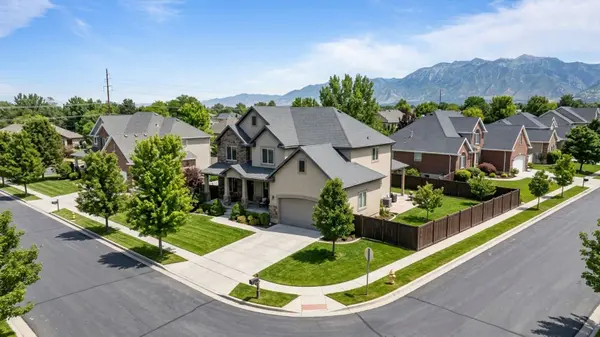
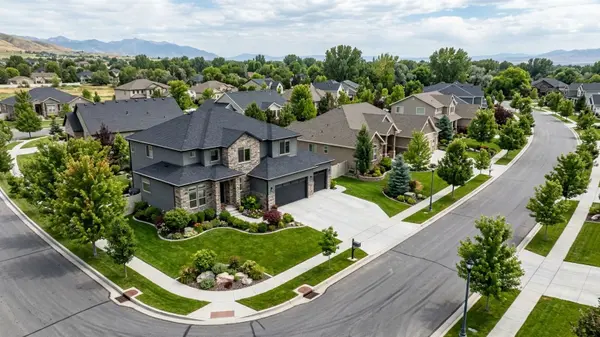
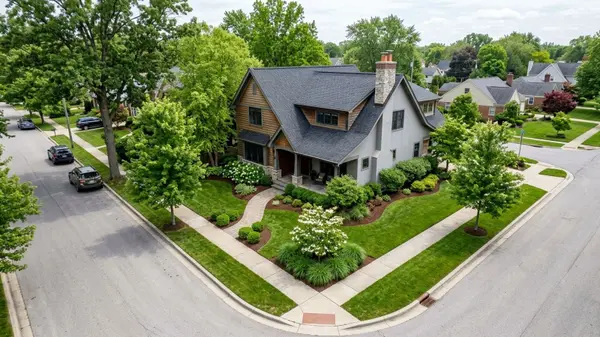
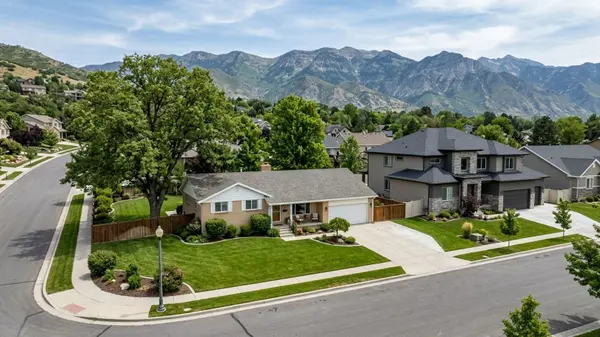
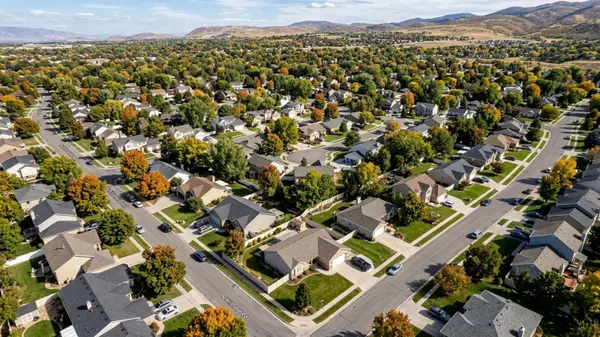
East Layton is known for established single-family homes on larger lots. These properties often feature mature landscaping, distinct architectural styles, and occasionally, sweeping views of the Wasatch Mountains. The price per square foot in this area tends to reflect these premium lot characteristics and custom features.
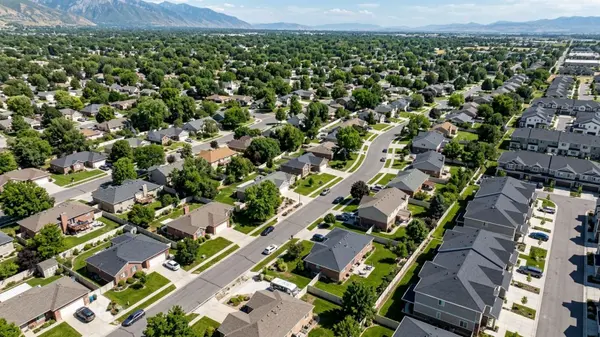
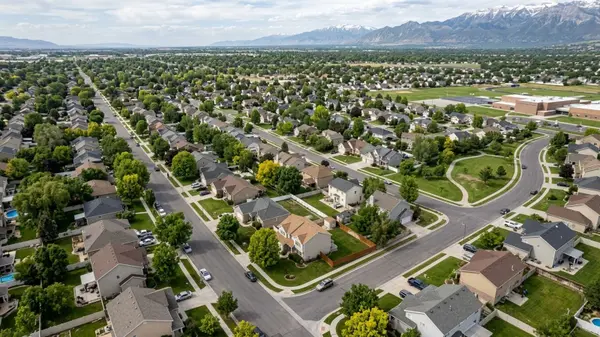
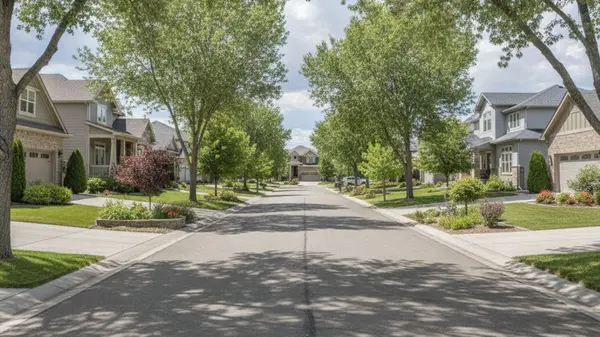
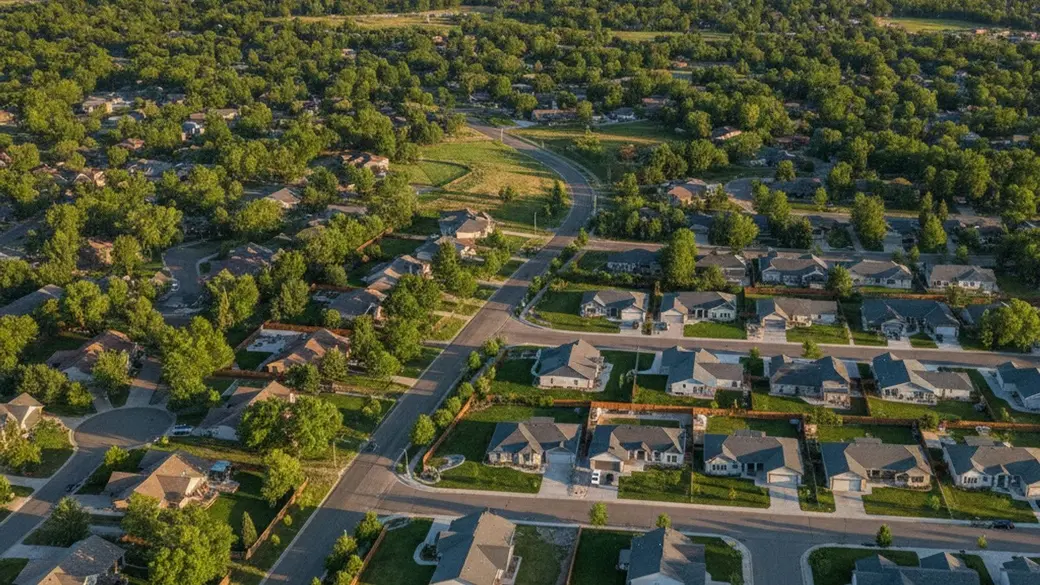
West Layton has seen considerable agricultural land converted into modern residential subdivisions over the last two decades. Buyers looking in this area will find spacious, contemporary floor plans with modern energy-efficient systems. These neighborhoods often feature winding streets, community sidewalks, and uniform property aesthetics.
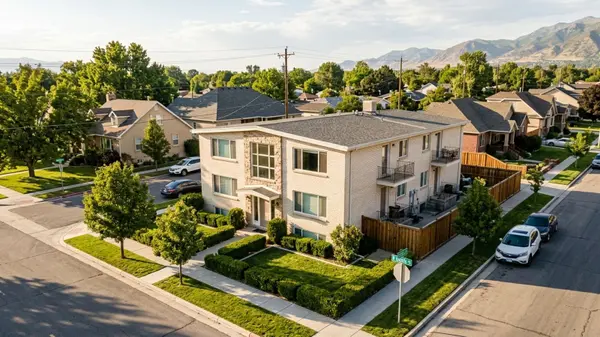
Buyers looking for lower maintenance options will find newer townhomes and new construction clustered closer to the city center and transit hubs. These attached properties offer a different lifestyle and often come with lower initial home prices compared to detached houses. The variety in housing types means buyers can choose a neighborhood that fits their specific space requirements.
Property values and lot sizes vary noticeably across different ZIP codes within the city limits. Working with a real estate agent helps clarify which areas align with your budget and long-term housing goals.
Commute Times and Local Transit
Layton serves as a primary residential hub for personnel working at Hill Air Force Base. The short drive to the base gates makes the area a practical choice for both military members and civilian contractors. This steady, reliable employment base provides consistent demand for local real estate year after year.
For those working further south, Interstate 15 runs directly through the center of the city. Commuters can reach downtown Salt Lake City in about 30 to 40 minutes under normal traffic conditions. Multiple interchanges along the highway make accessing the interstate straightforward from almost any neighborhood.
The Utah Transit Authority's FrontRunner commuter rail provides a direct transit option for those who prefer to skip highway driving. The local station includes ample parking, allowing residents to easily commute to Salt Lake City or Ogden. This rail access is a major selling point for buyers who want to reduce their daily driving time.
Proximity to these transit corridors directly impacts property demand and resale value. Homes located within a few miles of the FrontRunner station or major I-15 on-ramps often see strong interest from buyers who prioritize a streamlined daily commute.
Area Amenities and Education
Local infrastructure and community amenities play a major role in sustaining Davis County property values. Buyers often look at municipal services, retail access, and school boundaries when choosing a specific property. The city has developed a robust commercial sector that keeps residents from needing to travel far for daily necessities.
Layton offers several distinct features that draw buyers to the area:
-
Education: Students living here attend schools in Layton within the Davis School District, which includes traditional public schools, magnet programs, and charter options.
-
Outdoor Recreation: Layton Commons Park provides walking paths, open spaces, and local event areas along the banks of Holmes Creek, while the nearby mountains offer extensive hiking trails.
-
Healthcare: Davis Hospital and Medical Center serves as a major regional healthcare facility, offering comprehensive medical services, emergency care, and specialized clinics right in town.
-
Retail and Dining: The area around Layton Hills Mall and the Antelope Drive corridor provides extensive shopping, dining, and entertainment options.
Having these amenities nearby adds practical, everyday value to the surrounding homes. Buyers should review the specific school district boundaries and proximity to commercial centers for any property they consider, as these factors influence long-term satisfaction.
Strategies for Buyers and Sellers
Mortgage interest rates are currently sitting between 6.5% and 6.6% as of mid-2026. Buyers should get pre-approved for a loan early in the process to lock in their budget and understand their monthly payment limits. The increased summer inventory means buyers have the time to compare different properties without rushing into a hasty decision.
When writing an offer, buyers should discuss appraisal contingencies and inspection periods with their agent. In a balanced market, buyers have the leverage to request reasonable repairs or closing cost credits if an inspection reveals unexpected issues. Understanding the local real estate appraisal process is also important when financing a home at current price points.
Sellers should focus on accurate pricing and property presentation from day one. Because buyers are sensitive to borrowing costs, an overpriced listing will likely sit on the market and accumulate days on the market. Reviewing the multiple listing service data for recent neighborhood sales will help pinpoint the exact right listing price.
Preparing a home for sale now requires attention to detail, such as fresh paint, professional photography, and minor cosmetic updates. Both parties benefit from having professional representation to handle the contract negotiations and keep the transaction moving forward smoothly.
Common Questions About Layton Real Estate
Will Layton home prices drop in 2026?
Current market data points to stabilization rather than a steep drop. With a sale-to-list ratio near 99.5%, demand remains strong enough to support the $500,000 median price point through the rest of the year.
When is the best time to sell a house in Layton?
Late spring and early summer traditionally bring the highest buyer activity to Davis County. Listing in May or June takes advantage of the peak moving season, though accurately priced homes will sell year-round.
How much do I need to earn to buy a home in Layton?
Buying a $500,000 home with a 20% down payment and a 6.5% interest rate typically requires a household income around $115,000 to $125,000. This estimate assumes standard property taxes and no excessive outside debt, but your specific loan terms will dictate the exact requirement.
Categories
Recent Posts