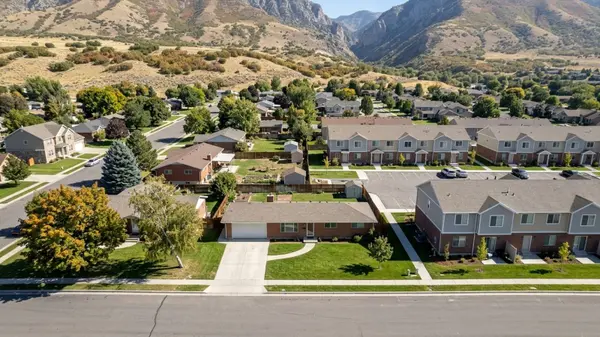
Housing Market Forecast for Layton, UT: 2026 to 2027 Trends
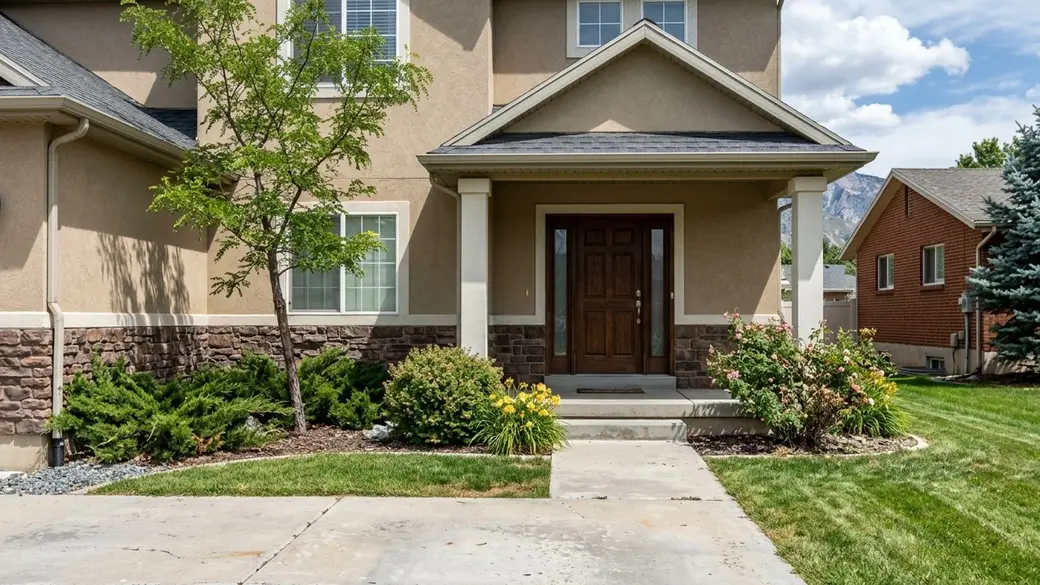
Layton's forecast is two markets, not one.
Key Takeaway
Detached-home prices have slipped and sell slightly under asking, so if you're buying a house, you have room to negotiate now rather than waiting. Townhouses are the exception. Their prices rose over the past year and hold closer to list, so they're the cheaper way in but not a discount.
Who This Guide Is For
You're planning to buy or sell a home in Layton within the next year and deciding whether to act now or wait, and on which type of home.
Layton Housing Market Forecast for 2026 and 2027
In the 90 days ending September 30, 2026, the overall median sale price for a Layton home was $506,759, down 7% from a year earlier. That headline drop overstates what a typical buyer or seller faces. Single-family houses fell a smaller 5.3%, townhouses rose, and the mix of homes sold shifted. Don't base your pricing or offer strategy on the citywide figure.
Statewide, values are steadying. In its September 9, 2026 "State of the State's Housing Market" report, the Kem C. Gardner Policy Institute reported that Utah's median sale price across all housing types rose from $500,000 in Q1 2025 to $520,000 in Q1 2026. It also ranked Utah the nation's 10th most expensive single-family housing market, with a median price of $559,900. The Institute described a period of more stable price growth and cautioned that stability shouldn't be mistaken for affordability. Forecasts aren't guarantees of future performance.
Which Part of the Forecast Applies to You
If you're choosing between a detached house and a townhouse, the type decides whether prices are working for you or against you, so start with Single-family homes vs townhouses. If you need to move in the next few months rather than wait to see where mortgage rates go, read Mortgage rates and What the forecast means for buyers. If you're selling, What the forecast means for sellers covers whether you can live with a listing that takes close to two months. If you're weighing a new build against a resale home, see New construction.
Single-Family Homes vs Townhouses
The trade-off is falling prices with negotiating room versus a lower sticker price with firmer pricing and less space per dollar.
Single-Family Homes
This is where prices are softening. Detached homes still sell in a median of 42 days, yet they now cost less per square foot than townhouses, so you get more space per dollar in a market that has cooled for sellers.
A falling median doesn't make every listing negotiable. Nearly one in five detached homes (18%) still sold above list price, so well-priced houses in demand still draw competing offers. The cost is a higher sticker price than an attached unit.
Townhouses
Townhouses are the one Layton segment where prices rose over the past year: up 3.3% to a $423,442 median, based on 37 recent sales. At $227 a square foot, though, they cost more per foot of space than houses. You also usually pay monthly HOA fees on top, so ask for the current dues, what they cover, reserve levels and any planned special assessments. Compare your total monthly cost, not just the sticker price, and expect to trade away yard space and full control over exterior maintenance.
What Could Move Layton Home Prices Next
Mortgage Rates
As of the week ending October 29, 2026, Freddie Mac's Primary Mortgage Market Survey reported the 30-year fixed-rate mortgage averaged 7.24%, down from 7.32% the prior week. A year earlier, it averaged 6.17%. A rate drop raises what buyers can borrow and brings more competition, which would erode the single-family discount first.
The catch is that waiting for a lower rate often means buying at a higher price, and nobody can time rates reliably. Get a current rate quote and a pre-approval from a lender before setting a budget.
New Construction
New supply caps how fast resale prices can rise, so the new home developments builders are adding to Layton's inventory matter even if you buy resale. Builder incentives can make a new home look cheaper than a resale, so compare the incentive's value against the base price and lot premiums in writing. The catch is that new builds often require you to pay extra for landscaping and fencing that a resale already has.
Hill Air Force Base and Local Jobs
Hill Air Force Base is the area's anchor employer, and local job demand helps support housing prices. Davis County's seasonally adjusted unemployment rate was 3.2% in August 2026 (preliminary), per the Utah Department of Workforce Services. The catch is that base staffing depends on federal decisions outside local control, so treat it as a support for prices, not a guarantee.
What the Forecast Means for Buyers
Take this as an illustration, not a promise. A median detached home that closed at $534,787 at a 98.7% sale-to-list ratio implies an asking price near $541,800, a typical gap of about $7,000. On townhouses, which close nearer to list, the gap is closer to $1,700.
Single-family inventory sits at 3.2 months of supply. A five- to six-month supply is generally considered a balanced market, and the National Association of Realtors notes that six months of supply has historically been associated with moderate price appreciation. Your negotiating power is real here, but modest.
Ask the listing agent how many days the home has been listed and whether the price has been reduced. First-time buyers should compare financing options early, and homebuyer assistance programs can help cover upfront costs.
What the Forecast Means for Sellers
Across all homes, 17.1% sold above list price, with 3.3 months of supply. A well-priced home can still draw strong offers, but overpricing gets punished quickly. Townhouse sellers see 55 median days on market at 99.6% of list, so you can hold your price if you can wait about two months.
Detached-home sellers should expect to negotiate. Pull recent sales on your own street or subdivision, since a citywide median may not match your block. Then weigh a property valuation against your seller closing costs to estimate your net proceeds.
At a Glance
- Median sale price, all homes: $506,759, down 7% year over year (90 days ending 2026-09-30)
- Median sale price, single-family: $534,787, down 5.3% year over year (90 days ending 2026-09-30)
- Median sale price, townhouses: $423,442, up 3.3% year over year (90 days ending 2026-09-30, based on 37 townhouse sales)
- Median days on market: 42 single-family, 55 townhouse, 43 all homes (90 days ending 2026-09-30)
- Sale-to-list ratio: 98.7% single-family, 99.6% townhouse, 98.8% all homes (90 days ending 2026-09-30)
- Share sold above list price: 18% single-family, 13.8% townhouse, 17.1% all homes (90 days ending 2026-09-30)
- Months of supply: 3.2 single-family, 3.3 townhouse, 3.3 all homes (90 days ending 2026-09-30)
- Homes for sale (inventory): 178 single-family, 39 townhouse, 225 all homes (90 days ending 2026-09-30)
- Median price per square foot: $220 single-family, $227 townhouse, $221 all homes (90 days ending 2026-09-30)
- Homes sold: 170 single-family, 37 townhouse, 208 all homes (90 days ending 2026-09-30)
Layton Housing Market Forecast FAQs
How Much Income Do I Need to Afford a $500,000 House in Layton?
Under the CFPB's Ability-to-Repay/Qualified Mortgage rule, General QM loans generally require that your total debt-to-income ratio not exceed 43 percent. Get a lender pre-approval to run your exact numbers at current rates, and factor in Layton property taxes to see your true monthly obligation.
Should I Buy a Home in Layton in 2026 or Wait Until 2027?
Waiting carries the risk described under mortgage rates: a rate drop could bring buyers back and erase the negotiating room you have on detached homes now. Compare your rent against an estimated payment, since this is a personal financial decision.
Will We Ever See a 3% Mortgage Rate Again?
Freddie Mac's survey recorded its all-time low on January 7, 2021, when the 30-year fixed rate averaged 2.65 percent. That was the lowest in the survey's history dating back to 1971, which shows how rare those conditions were. If rates do fall after you buy, you can discuss refinancing with a lender.
What Is the Cheapest Month to Buy a House in Layton?
Seasonal pricing shifts with inventory and buyer demand, and monthly medians in a city this size can swing on a small sample of sales. Ask your agent to pull current data for the specific week you plan to shop.
Does the Layton Housing Market Slow Down in the Fall?
Activity generally cools as the school year begins and the holidays approach, and the data here, for the 90 days ending September 30, 2026, reflects late-summer conditions. If you're listing in November or December, ask your agent for live days on market.
Can I Buy a Home in Layton on a $70,000 Salary?
It's tight. Even the townhouse median is well above $300,000, and the 43 percent debt-to-income limit leaves little room at current rates. A lender pre-approval shows exactly what you qualify for.
What Is the Layton Housing Market Forecast for the Next 5 Years?
The Kem C. Gardner Policy Institute projects Utah will have 1,376,960 households by 2030, averaging 2.71 persons per household, which keeps pressure on housing supply. Plan around your own timeline and needs rather than a long-range price call.
Sources
- Redfin: Data Center
- Kem C. Gardner Policy Institute: Utah's Housing Market Stabilizes Slightly But Affordability Barriers Remain
- Freddie Mac: Primary Mortgage Market Survey
- Freddie Mac: Mortgage Rates Hit New Record Low in First Week of 2021
- Utah Department of Workforce Services: Seasonally Adjusted Unemployment
- BiggerPockets: Redefining What a Balanced Market Is
- Consumer Financial Protection Bureau: Ability-to-Repay and Qualified Mortgage Standards
- Kem C. Gardner Policy Institute: Projections Summary
Categories
Recent Posts