
Downsizing Your Home in Layton, UT: A Complete Guide for 2026 Buyers
The median sale price in the Layton, UT, housing market sits right around $500,000 as of mid-2026. If you're sitting on substantial equity in a large multi-story home, trading that square footage for something smaller and lower-maintenance is a genuinely smart financial move - not just a lifestyle one.
Homes here are spending roughly 30 days on the market before going under contract. That's a brisk pace, which puts sellers in a good position to cash out. The catch is you need a clear plan for where you're going next before you list.
Why Consider a Smaller Home in Davis County?
The price gap between large houses and smaller properties is real money. Larger single-family homes in Layton average around $535,000, while townhouses and condos sit closer to $420,000. That spread gives you a meaningful chunk of equity to work with.
A smaller footprint also trims your monthly costs - heating, cooling, water - and cuts the weekend maintenance load considerably. Less yard, less square footage, less time on repairs.
Utah's property tax structure adds another layer. Homeowners here receive a 45% residential exemption on their primary residence, so you're only paying taxes on 55% of the home's fair market value. That exemption follows you to your next purchase, but the lower assessed value on a smaller home means a lower bill regardless.
Popular Property Types for a Smaller Footprint
Layton's inventory gives you real options when you're looking to shrink your footprint - attached units in planned developments, detached homes with accessible layouts, age-restricted communities. The local market supports different preferences, and what works for your neighbor may not work for you.
Tour a few different property styles before you commit to a direction. The maintenance requirements vary more than most buyers expect, and that difference matters more the longer you own the place.
Condominiums and Townhomes
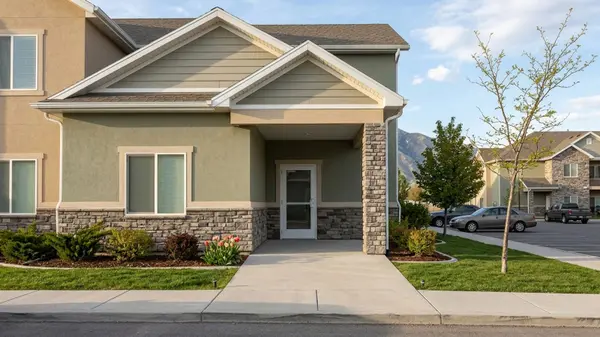
Attached housing is abundant here. Communities like Trailside offer the popular "Arlington" floor plan townhomes, and developments built by companies like Castle Creek Homes frequently feature low-maintenance exteriors where the HOA handles roof repairs and snow removal.
That convenience comes with a monthly HOA fee, so factor that into your budget alongside the purchase price. For buyers who want to lock up and travel without worrying about what's happening to the exterior, that trade-off is usually worth it.
Single-Story Houses
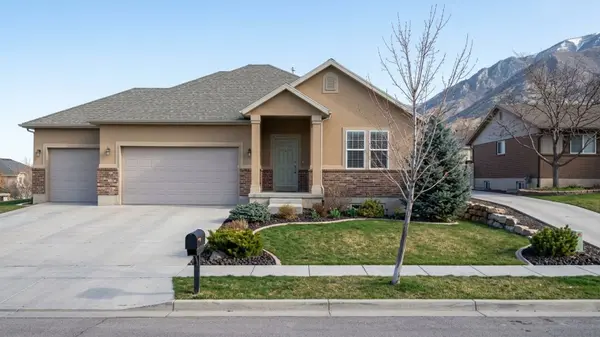
If shared walls aren't for you, a single-story detached home is a solid alternative. No stairs to manage daily, which matters more than most people anticipate - and better long-term accessibility generally.
The honest caveat: finding a true single-level home often means looking at older neighborhoods or waiting for specific new-construction lots to come available. You'll also be on the hook for your own yard work and exterior maintenance unless you bring in a local landscaping service.
55+ and Age-Restricted Communities
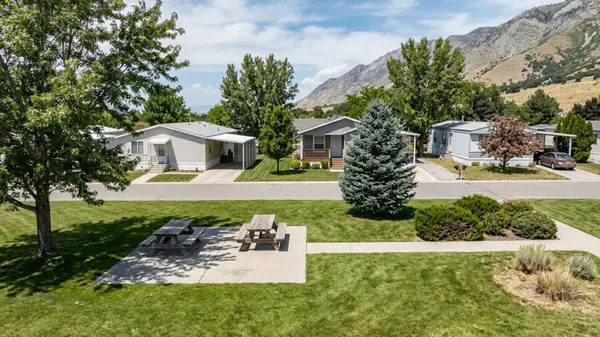
HOPA-compliant neighborhoods - what most people call 55+ communities - require at least one resident to be 55 or older. Amenities typically include clubhouses, fitness centers, and organized community events, all geared toward active adults.
These listings don't flood the market in large numbers, but local MLS filters consistently show active age-restricted listings across Davis County. Ask your agent to set up a dedicated search. It's easy to do and worth having running in the background.
The Financial Side of a Local Move
In mid-2026, the median sale price per square foot in Layton is hovering around $226 to $227. That baseline gives you a working estimate of what your current property might fetch and what a smaller replacement will realistically cost.
You'll also want a clear picture of your projected monthly costs in the new home before you commit - local property taxes, potential capital gains exposure, any recurring HOA fees. None of it is complicated, but it's easier to run those numbers before you're under contract than after.
Estimating Your Current Home's Equity
Your equity is simply the difference between your home's current market value and your remaining mortgage balance. With local homes selling at roughly 99.4% of list price, your agent's pricing strategy is a reliable starting point for projecting your net proceeds.
One thing people often overlook: capital gains taxes. Talk to a CPA before you list. Federal tax law lets single filers exclude up to $250,000 of profit - married couples up to $500,000 - if the home has been your primary residence for two of the last five years. Whether you clear that threshold depends on what you paid and how long you've been there.
Understanding Davis County Property Taxes
The overall effective property tax rate in Davis County is about 0.57%, producing a median annual bill of roughly $2,763. Moving to a less expensive home lowers that number automatically.
The county also offers specific relief programs worth knowing about: a Circuit Breaker tax credit for seniors aged 66 and older, a Property Tax Deferral Program for residents 75 and older, and exemptions for veterans with disabilities. If you qualify for any of these, they're worth pursuing before your first bill arrives in the new place.
Factoring in HOA Fees and Moving Costs
Monthly HOA dues in a managed community will offset some of your utility and tax savings - sometimes substantially. Request the HOA's financial documents before you close. You want to see the current dues and flag any upcoming special assessments. A healthy reserve fund matters.
Budget for the physical move too. Local moving companies in Davis County typically charge by the hour, so the less you're moving, the less it costs. Doing the decluttering work before the movers show up is the single easiest way to keep that bill down.
How to Manage Your Move Step by Step
Sorting through decades of belongings and getting a large home ready for the market takes time - usually several months if you're doing it properly. Breaking it into phases makes the whole thing manageable instead of overwhelming.
The goal is to run both tracks simultaneously: preparing your current home to list while narrowing down your options for the next purchase. Get those two timelines aligned and you're far less likely to end up scrambling into a temporary rental.
Decluttering and Estate Sales
This is almost always the most time-consuming part of the process, and it almost always takes longer than people expect. Start months before you plan to list - not weeks.
Several local businesses can help move the items you don't want to keep. Ogden Layton Estate Sales, White Hat Estate Sales, and Salt Lake City Estate Sales all serve the Layton area and handle estate liquidation, cleanouts, and donation management. EstateSales.org is also worth checking for rotating events nearby.
Prepping Your Larger Home for Sale
Once the excess furniture and clutter are cleared, staging becomes much easier. Fresh paint, updated lighting, and a thorough deep clean do more than most sellers expect.
Large homes in Layton are competing for buyers right now, so presentation matters. Your agent can walk you through which repairs are worth the investment and which ones aren't - not every fix translates to a better offer.
Timing the Buy-Sell Process
With about 3.1 months of supply in the market, you have a reasonable inventory to shop from when you're ready to buy. That helps.
Two approaches work well here. You can make an offer on a smaller home contingent on the sale of your current house. Or you can negotiate a leaseback after your home closes - you sell, the new owner lets you remain in the property for a few weeks while you finalize your purchase. Both options exist, and which one makes sense depends on your specific timing.
Where to Look for Smaller Homes in Layton
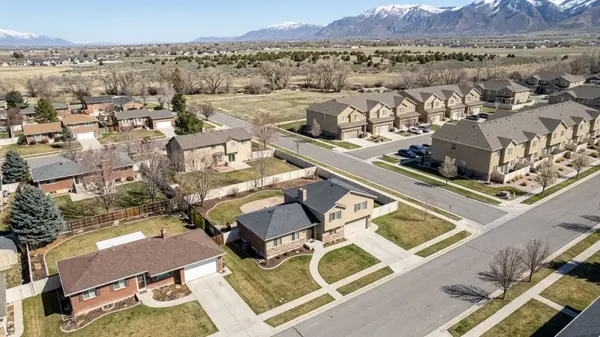
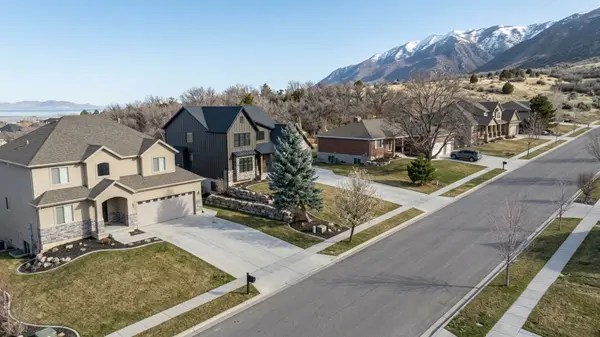
The city has distinct neighborhoods that suit buyers looking for a smaller footprint, and the right area for you comes down to what you actually want - walkability, transit access, quiet streets, proximity to healthcare.
Layton's "Layton Forward" general plan actively promotes higher-density town centers and urban districts, encouraging condo and townhome developments at 12 to 24 units per acre. That's not just planning language - it's creating real inventory for buyers looking to downsize.
Specific subdivisions like Layton Place and East Layton Hills offer a mix of housing styles suited to a smaller household, with straightforward access to local amenities, healthcare facilities, and major commuting routes. Worth putting on your tour list.
Frequently Asked Questions
What are the best low-maintenance neighborhoods or 55+ communities for downsizing in Layton, UT?
The Trailside community and developments by Castle Creek Homes are strong low-maintenance options, with townhomes featuring the popular "Arlington" floor plan. For 55+ living, local MLS filters consistently show active age-restricted listings across Davis County. Layton Place and East Layton Hills are also worth exploring for smaller-footprint housing.
How do I time selling my current house and buying a smaller home in Layton without having to move twice?
Two approaches work well. You can submit an offer on a smaller home contingent on the sale of your existing house. Or you can negotiate a leaseback agreement - sell your current home and rent it back from the new owner for a few weeks while you close on the next place. Both are common in this market and worth discussing with your agent early.
How much can I save on Davis County property taxes and utilities by downsizing my home in Layton?
The savings are real. Smaller homes use less electricity and water, so your monthly costs drop. For property taxes, Utah's 45% residential exemption means you're only paying on 55% of the home's value - and moving from a $535,000 house to a $420,000 townhome will noticeably lower your annual bill, which currently averages $2,763 across the county.
Is right now a good seller's market to get top dollar for a large family home in Layton, Utah?
Current conditions favor sellers. Homes in Layton are selling in roughly 30 days, closing at about 99.4% of list price, and nearly 33% of homes are selling above asking. That's a solid position to maximize your equity.
Does it make more financial sense to buy a smaller condo or just rent after selling my property in Layton?
It depends on your timeline and how long you plan to stay. Buying a smaller condo - which averages around $420,000 - lets you keep building equity and take advantage of Utah's primary residence tax exemption. Renting gives you flexibility but exposes you to annual rent increases. There's no universal right answer, but if you're staying put for a while, ownership tends to make more financial sense.
What are the best local options in Layton for estate sales, donating furniture, or junk removal when clearing out a large house?
Several companies handle estate liquidation and cleanouts in Davis County. Ogden Layton Estate Sales, White Hat Estate Sales, and Salt Lake City Estate Sales all serve the Layton area. You can also check EstateSales.org for rotating donation and liquidation events nearby.
Categories
Recent Posts