
Cost and Process to Build a House in Layton, UT (2026 Guide)
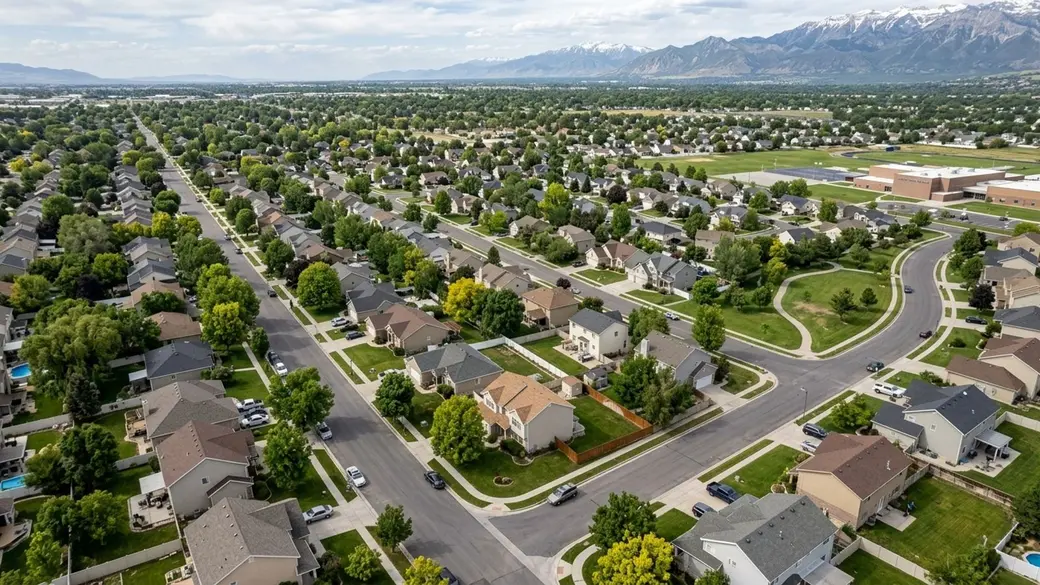
The median sale price for an existing home in the Layton, UT housing market sits around $500,000, with homes spending roughly 30 days on the market. Inventory is hovering around 225 available homes - and a lot of buyers, after losing a few rounds on the MLS, start eyeing empty lots and wondering what scratch actually costs.
Building new gives you complete control over the floor plan, finishes, and where you land in Davis County. But before you start dreaming about rooflines, you need to understand how local construction rates, land acquisition, and city fees shape the number at the bottom of the budget sheet.
Average Cost to Build a House in Layton, Utah
Local cost guides put Layton construction at roughly $120 to $220 per square foot, depending on build grade. For a typical 2,000-square-foot home, that's approximately $240,000 to $440,000 - and that's before you spend a dollar on land or sitework.
Those local figures run a bit below the broader state picture. The average cost to build a house in Utah ranges from $400,000 to $900,000, with statewide per-square-foot costs stretching from $180 to $600 for high-end custom builds. The Ogden-Clearfield metro generally offers more approachable labor and material rates than the Salt Lake City market proper, which is one quiet advantage of building here. That said, raw land is its own separate line item - lot prices in Davis County swing considerably based on size and utility access, so budget for that independently.
Cost Per Square Foot to Build in Layton
Layton primarily uses ZIP codes 84040 and 84041, with the broader area spanning from 84037 to 84041. Construction costs across these ZIP codes stay fairly consistent with each other - what actually moves your per-square-foot number is the finish level you choose.
A standard builder-grade home lands at the low end of the $120 to $220 range. Premium or luxury materials push you toward the top. There's also a meaningful difference between a production builder and a fully custom architect-designed home - custom builds require more specialized labor, and that premium shows up in your baseline cost per square foot before you've even picked a countertop.
Standard, Premium, and Luxury Finishes
Standard construction in Layton runs about $120 to $140 per square foot - basic materials, stock floor plans, nothing fussy. Premium builds fall in the $140 to $180 range and get you upgraded flooring, better cabinetry, and more architectural detail. Luxury custom homes sit between $180 and $220 per square foot, with high-end appliances, custom millwork, and specialized energy-efficient systems factored in.
How Location Factors In
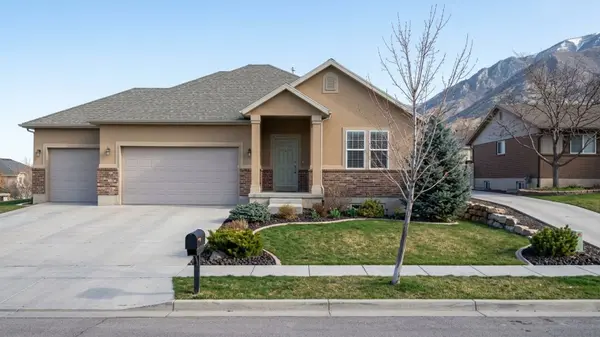
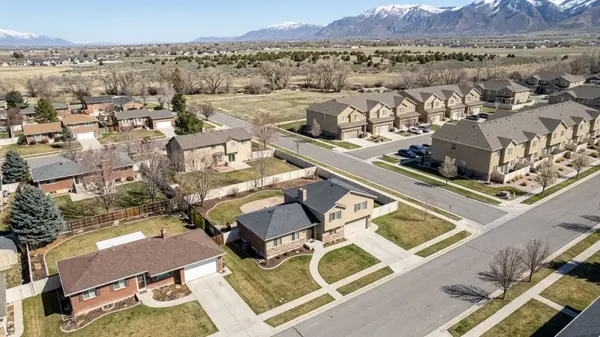
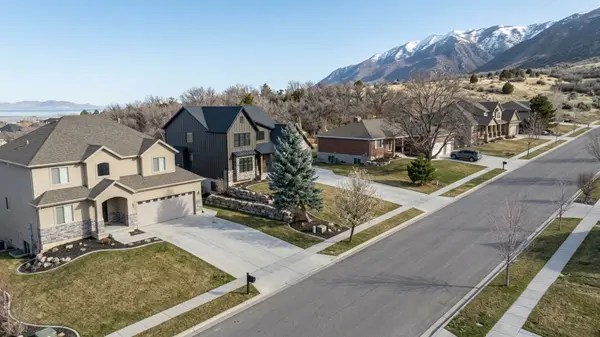
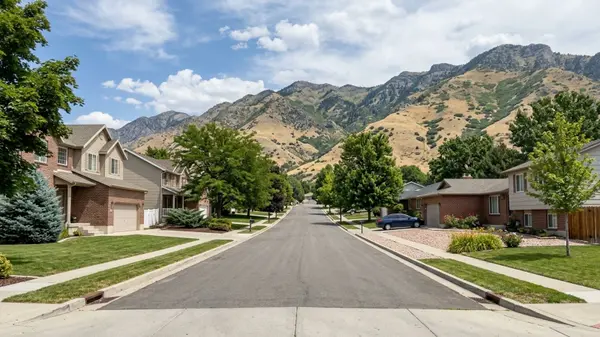
The base construction cost stays relatively stable across the 84040 and 84041 ZIP codes, but the terrain is a different story. A flat lot on the west side of I-15 is a straightforward build. A sloped lot on the east bench is not.
Sloped lots require extensive excavation, retaining walls, and specialized engineering. Those site-preparation expenses land directly on top of your construction budget, so the lot you choose matters more than most buyers initially realize.
Cost to Build by House Size
Square footage sets the floor on your budget. Using Layton's local range of $120 to $220 per square foot, here's what different home sizes actually cost to put up.
One thing worth knowing: economies of scale apply in home building. The expensive mechanical systems - plumbing, HVAC - get spread across more square footage in a larger home, which can pull the per-square-foot rate down slightly. That said, all of these estimates cover the physical structure only. The lot, site preparation, utility connections, and city permits are still separate.
Small Homes (1,200 to 1,500 Sq Ft)
A 1,200-square-foot home costs approximately $144,000 to $264,000 to build in Layton. This is a common footprint for starter homes, downsizers, or accessory dwelling units. With a smaller budget and a smaller floor plan, you get the most mileage by focusing spend on high-use areas - the kitchen and primary bathroom, specifically - and keeping the exterior simple.
Mid-Size Homes (2,000 to 2,500 Sq Ft)
At the local rate, a 2,000-square-foot home runs roughly $240,000 to $440,000. That footprint handles a standard three-to-four-bedroom layout with a two-car garage comfortably, and it aligns closely with what you'd call a typical Davis County home. You get enough space for a growing household without crossing into the pricing territory where custom luxury costs start compounding.
Large Homes (3,000+ Sq Ft)
A 3,000-square-foot home costs approximately $360,000 to $660,000 to construct. At this scale, you're usually talking finished basements, multiple living areas, and expansive primary suites. Add custom architectural elements or complex rooflines and the per-square-foot cost will trend toward the top of the range.
What Your Budget Can Build in Layton
Your total construction budget determines the size and finish quality you can realistically achieve. These figures work from the local $120 to $220 per square foot range and exclude land.
If you already own a lot in Davis County, your full budget goes toward the structure. If not, subtract the land purchase price before you start calculating square footage. Either way, hold back a contingency of about 10% to 15% of the total budget - material prices shift, and decisions change during construction.
What $200,000 Builds
A $200,000 construction budget yields somewhere between 900 and 1,650 square feet, depending on finish grade. It's a workable budget for a modest two-bedroom home with standard materials, but you'll want to stick to a simple rectangular footprint and a standard roofline. Complex shapes and custom windows eat through available funds faster than most people expect.
What $300,000 Builds
With $300,000, you're looking at approximately 1,360 to 2,500 square feet - enough for a standard family home with mid-range finishes. This bracket gives you room for solid surface countertops, better flooring, and an extra bathroom without having to trade off square footage to get there.
What $500,000 Builds
A $500,000 budget opens up a range of 2,270 to 4,170 square feet, and at this level you can pair the square footage with luxury finishes, custom cabinetry, and premium appliances. There's also flexibility to add specialized spaces - a home theater, a dedicated office, or a three-car garage - without having to sacrifice one for the other.
Where Your Construction Budget Goes
The per-square-foot number is a starting point, not the whole picture. A complete construction budget runs from the dirt work on day one to the final coat of paint at the end.
Labor and materials are the bulk of the expense, but administrative costs factor in too. Knowing the breakdown tells you where there's room to economize and where cutting corners will cost you more later. Working with a general contractor who provides a line-item budget before construction starts is the clearest way to avoid surprises as the build progresses.
Land and Site Preparation
The lot is your first major expense, and prices vary across Layton depending on location and views. Once you have the land, site preparation is next - clearing the lot, grading for drainage, and bringing water, sewer, and electricity to the build site. Steep inclines or lots requiring significant rock removal will cost more to prep than a straightforward flat parcel.
Permits and City Fees
Plans go to the Layton City building department before a single piece of ground gets broken. The city charges fees for plan reviews, building permits, and utility impact fees, and the rates depend on the home's size and location - so check the current fee schedule directly with the city rather than assuming a fixed number. Plan approval can take several weeks, and that waiting period belongs in your construction timeline.
Is It Cheaper to Build or Buy a House in Layton?
Statewide, buying an existing home is generally faster and cheaper than building from scratch. Existing homes in Utah typically close in one to two months; new builds take nine to 12 months to complete. That's a significant difference if timing matters to you.
In Layton specifically, the median sale price for an existing home is around $500,000, with homes selling at about 99.4% of their list price. New construction listings in the area currently range from about $410,000 to $465,000 for homes in the 1,590 to 2,100 square foot range. Those numbers look competitive, but they represent production homes in planned subdivisions. A fully custom build on a private lot will almost always cost more than buying an existing home of similar size.
The Build vs. Buy Math
When you buy an existing home, the land, structure, and landscaping are bundled into one mortgage. When you build custom, you're paying for the lot, site prep, construction, and landscaping as separate line items - and the total adds up faster than the per-square-foot rate suggests.
Production builder communities offer a middle ground. You get a brand-new home without the variable costs of a fully custom build, which keeps the final price closer to what you'd pay in the existing home market.
When Buying Wins
If you need to move quickly or want to lock in a fixed purchase price right now, buying wins. With 225 homes currently in local inventory, there are options across various neighborhoods. Existing homes also come with mature trees, established amenities, and completed fencing - exterior details that often cost tens of thousands of dollars to replicate on a new build.
How to Build a House in Utah, Step by Step
Building a house is a sequence of coordinated steps, from financing through final inspection. Rushing the planning phase or skipping steps is where budget overruns tend to originate.
The process involves multiple professionals - lenders, architects, city planners, contractors - and coordinating those teams is essentially the primary job of your builder. If you plan to act as your own general contractor, you take on that scheduling responsibility yourself, along with the task of passing city inspections at each phase. It's a route that can save money, but it requires substantial time and genuine construction knowledge.
Buying Land and Securing Permits
Start by finding and purchasing a suitable lot in Davis County - and have a builder or engineer evaluate the land before you close. You want to confirm it can support your intended home design before the deed transfers.
Once you own the land and have finalized blueprints, you submit plans to the Layton building department. Construction doesn't start until the city approves the plans and issues the necessary permits.
Choosing a Builder and Financing
Most buyers finance a new build with a construction loan, which pays out in phases as the builder hits specific milestones. Once the home is complete, the loan converts into a standard residential mortgage.
Choosing your builder is the single most consequential decision in this process. Interview multiple local contractors, review their past projects, and check references before you sign anything.
New Construction Communities in Layton
The broader Salt Lake City-Ogden region tracks well over 100 active new-construction communities, and Layton sees consistent new-build activity that gives buyers real alternatives to fully custom projects.
Communities like Seasons West and developments along 1875 W feature brand-new homes with streamlined building processes. The Hammock Park-branded plans, for example, offer modern layouts without the lengthy design phase of a custom build. Purchasing in a planned community also simplifies financing and guarantees a more predictable timeline - the builder owns the lot and handles all city permitting, so your job is picking finishes.
Working with a Local Builder
Local builders know Davis County's soil conditions, weather patterns, and municipal codes. Their existing relationships with local subcontractors tend to keep projects on schedule in ways that out-of-area builders can't always replicate.
When you're touring new construction communities, ask the sales representative directly what's standard versus what's an upgrade. Knowing exactly what the base price includes is the only way to make a fair comparison between different builders.
Frequently Asked Questions
How much does it cost per square foot to build a custom home in Layton?
Building a custom home in Layton costs between $120 and $220 per square foot, depending on the materials and finishes you choose. That estimate covers the structure itself and doesn't include the price of the lot or site preparation.
Do I need to buy a lot in Layton before I hire a custom home builder?
No. Consulting a builder before you purchase a lot is actually a smart move - they can help you assess the land for potential excavation or utility challenges before you're committed to it.
How long does it take to get residential building permits approved by Layton City?
Approval times vary based on plan complexity and the city's current backlog. Check directly with the Layton building department for current turnaround times before you finalize your construction schedule.
How do construction loans work if I want to build a house in Davis County?
A construction loan provides short-term funding that pays out in phases as your builder hits specific milestones. Once the home is complete, the loan typically converts into a standard long-term mortgage.
Is it currently cheaper to buy an existing home in Layton or build a new one?
Buying an existing home is generally cheaper and faster in Utah. The median sale price for an existing home in Layton is around $500,000, but building custom involves separate costs for land, site prep, and construction that often push the total higher.
How long is the typical construction timeline from breaking ground to move-in for a Layton new build?
Statewide, building a new home typically takes nine to 12 months from start to finish. Buying an existing home closes much faster - usually one to two months.
Are there special zoning or geotechnical requirements for building a home on the Layton east bench?
Yes. Building on sloped lots like those on the east bench often requires specialized engineering and retaining walls. Your plans go to the city for review to ensure compliance with local zoning and safety codes for hillside construction.
Categories
Recent Posts