
Moving to Davis County: A Guide to Living in Layton, UT in 2026
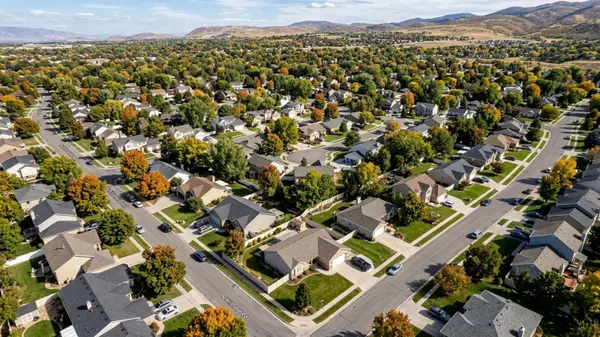
Layton, UT sits squarely between Salt Lake City and Ogden along the Wasatch Front. With a 2026 population hovering around 85,000 residents, it is the most populous city in Davis County. The city stretches from the wetlands bordering the Great Salt Lake to the elevated foothills of the Wasatch Mountains.
Many buyers look at this area because it offers direct access to major employment centers without the density of a major urban core. Hill Air Force Base borders the city to the north, making this a primary residential hub for civilian contractors and military personnel. The local landscape combines established suburban subdivisions with immediate access to mountain trailheads and state parks.
What to Expect from the Housing Market
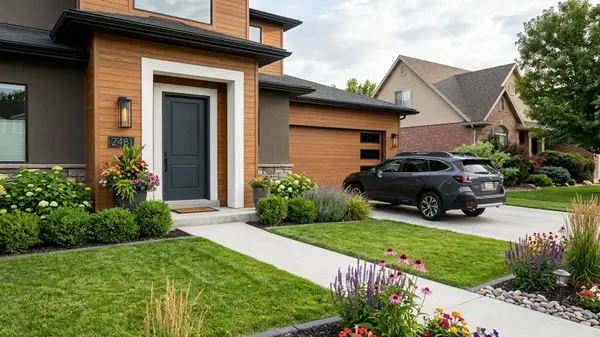
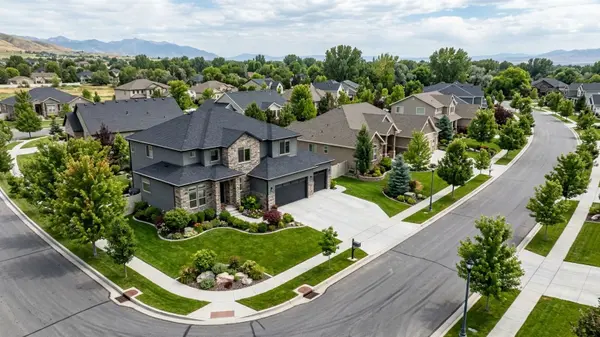
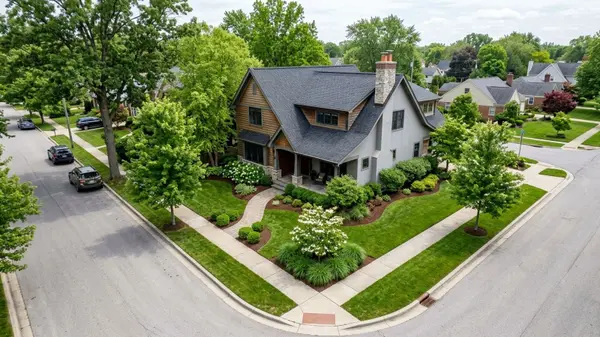
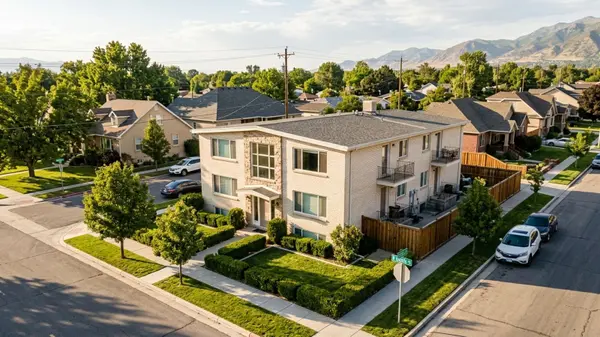
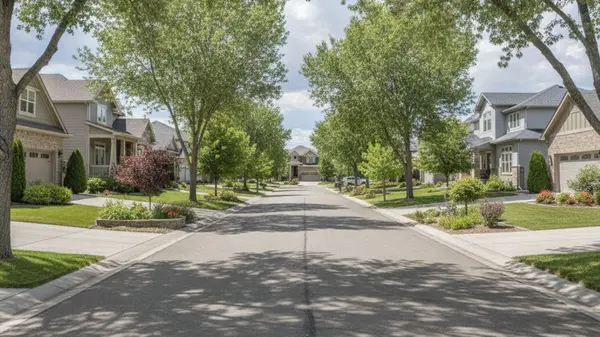
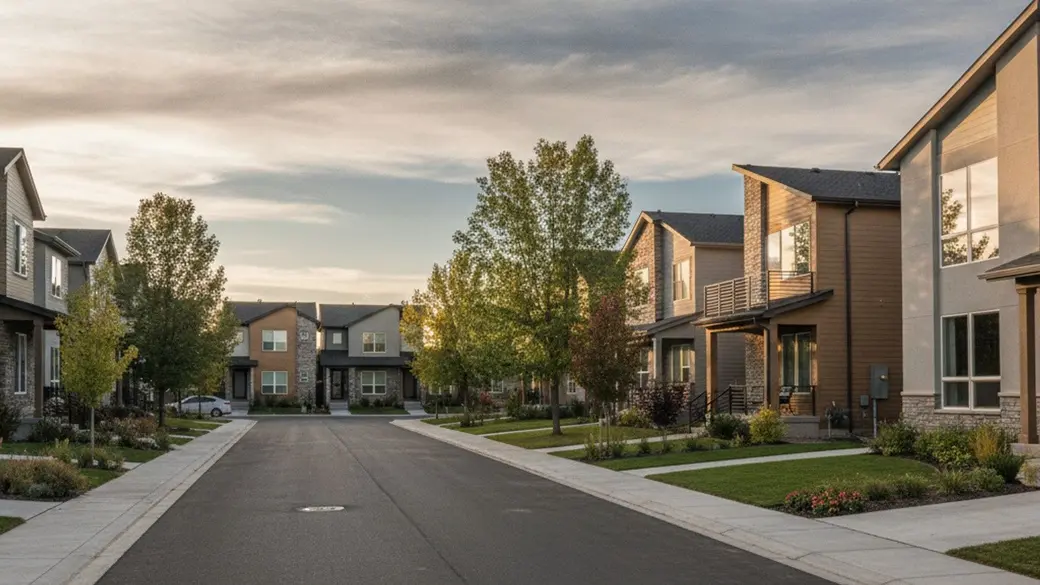
The median home price in Layton is approximately $500,000 as of mid-2026. Homes here typically sell in about 42 days, reflecting consistent housing demand across Davis County. Buyers will find a wide mix of mid-century single-family homes, newer townhouses, and recent construction developments like Towns on Main.
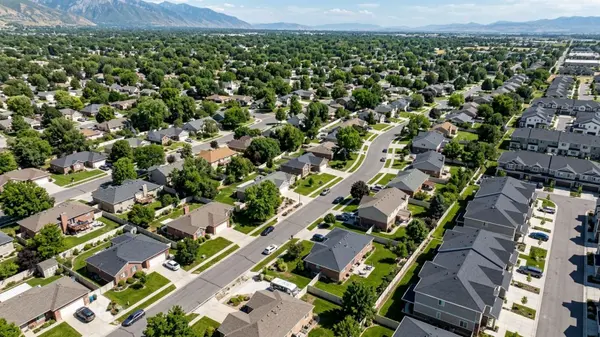
Lot sizes and property styles shift depending on where you look within the city limits. The local terrain plays a major role in how neighborhoods are laid out, how large the parcels are, and how properties are priced. Buyers should tour both sides of the city to understand the differences in available property types.
Comparing East and West Layton
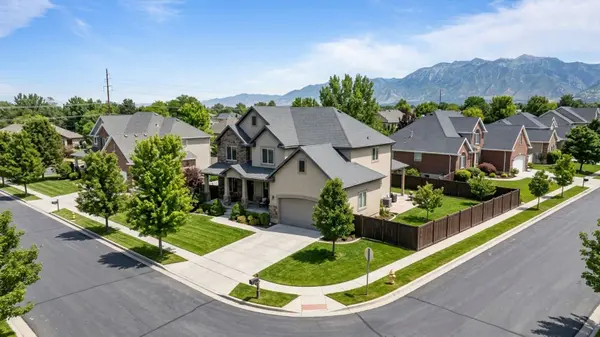
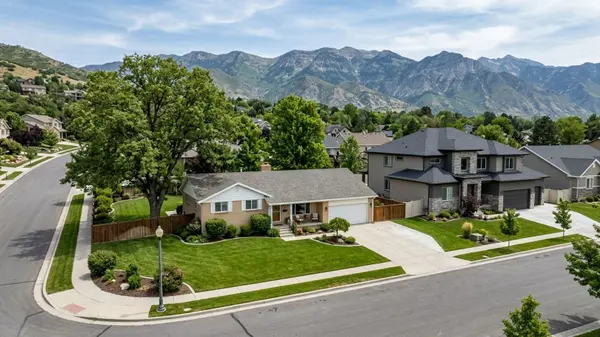
East Layton sits higher in elevation along the mountain benches. Homes in this area often feature larger, sloping lots and mature trees that have been growing for decades. Properties here frequently command higher prices due to their proximity to hiking trails and elevated views of the valley below.
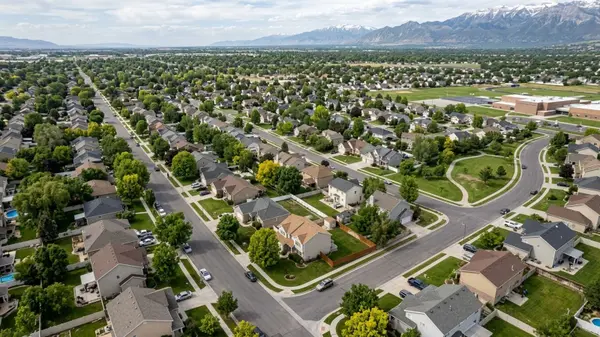
West Layton features flatter terrain and a higher concentration of newer residential subdivisions. This side of the city offers easier access to Interstate 15 and the main commercial corridors. Buyers focusing on new construction or planned communities will find the majority of their options in this western section.
Commuting Routes and Transit Options
Most Layton commuters use Interstate 15 or Highway 89 to travel along the Wasatch Front. Driving south to downtown Salt Lake City takes 25 to 30 minutes under typical traffic conditions. Heading north to Ogden is a shorter trip, usually taking 15 to 20 minutes from most neighborhoods.
Highway 89 runs along the eastern bench and provides a direct route for residents commuting to Hill Air Force Base. This highway also serves as a parallel alternative to I-15 for north-south travel through Davis County. Drivers should factor in winter weather, which can temporarily slow travel times on both of these major routes.
Public Transportation Choices
The Utah Transit Authority operates the FrontRunner commuter rail system straight through Davis County. The Layton Station is located centrally near the Main Street corridor and provides a massive parking area for commuters. This train provides a direct connection to both Salt Lake City and Ogden, allowing riders to bypass highway traffic entirely.
Local bus routes connect the surrounding residential neighborhoods to the FrontRunner station and nearby commercial centers. Riders can also use the commuter train to transfer directly to the TRAX light rail system once they reach Salt Lake City.
Major Employers and the Local Economy
Hill Air Force Base operates as the largest economic driver and employer in the immediate area. Thousands of civilian contractors, military personnel, and federal employees commute to the base daily from the surrounding neighborhoods. This massive installation anchors the local economy and drives consistent housing demand year after year.
Beyond the military base, the local economy relies on healthcare, retail operations, and education. Holy Cross Hospital - Davis provides numerous medical and administrative jobs right within the city limits. The commercial footprint around the Layton Hills Mall also supports a large retail and hospitality workforce.
The cost of living here aligns closely with the national average, though housing costs have risen over the past decade. Utilities and transportation expenses remain relatively standard for the mountain west region. Buyers relocating from coastal cities often find local property taxes to be lower than their previous states.
Public Schools and Higher Education
The Davis School District administers public education for the entire city and the surrounding county. This district serves over 70,000 students countywide, making it one of the largest educational systems in Utah. Elementary schools are distributed evenly throughout the residential neighborhoods, keeping travel times short for younger students.
Secondary students attend several different institutions based on their specific geographic boundaries, including Layton High School. The district frequently updates its boundary maps to accommodate population growth in the newer western subdivisions. Buyers should verify specific school assignments with the district office before closing on a property.
Higher education is also available without leaving the city limits. Weber State University operates a dedicated Davis campus on the west side of town. This facility offers undergraduate programs and continuing education courses without the need to commute to the main campus in Ogden.
Outdoor Recreation and Retail Centers
The geography of Davis County places outdoor recreation immediately adjacent to residential zones. The Wasatch Mountains form the eastern border of the city, providing miles of public land access. Residents on the west side are closer to the wetlands and state parks bordering the Great Salt Lake.
The city maintains a large network of municipal parks and paved walking paths connected to residential areas. These green spaces allow residents to spend time outdoors without driving up to the mountain trails. The local parks department regularly updates these facilities to keep pace with population growth.
Popular Local Destinations
The area features several notable recreational landmarks, with quick access to both mountain trails and state parks within a short drive. Residents spend their weekends exploring these specific outdoor and commercial venues:
-
Adams Canyon Trailhead: A popular hiking route in East Layton that leads up the mountain bench to a 40-foot waterfall.
-
Antelope Island State Park: Accessible via a causeway just west of the city, offering open space and direct access to the Great Salt Lake.
-
Municipal Parks: Layton City Park and Ellison Park serve as the primary venues for community sports leagues and outdoor events.
For shopping and indoor entertainment, the Layton Hills Mall corridor features dozens of national retailers, chain restaurants, and a movie theater. This commercial center functions as the primary shopping district for the majority of Davis County.
Deciding if Living in Layton, UT Fits Your Needs
Layton balances established suburban housing with immediate access to outdoor recreation. The 25-minute drive to Salt Lake City allows residents to work in the capital while living in a less dense environment. The 15-minute commute to Ogden provides additional employment and entertainment options just to the north.
The proximity to Hill Air Force Base will continue to shape the local economy and housing market. Buyers should evaluate whether they prefer the elevated, mature lots of the eastern bench or the newer construction in the western flats. A local real estate agent can help you review available MLS listings and compare specific neighborhoods.
Frequently Asked Questions
What are the crime statistics in Layton, Utah?
Property and violent crime rates in Layton generally fall below the national average. The Layton Police Department publishes annual reports and maintains an online mapping tool for public review. Buyers should consult these municipal records to review data for specific neighborhoods.
How much snow does Layton receive annually?
The city averages about 40 inches of snow per year, though totals vary by elevation. Neighborhoods on the eastern mountain benches receive more snow than the flatter western areas. The municipality handles snow removal on public roads, but homeowners are responsible for clearing their own driveways and sidewalks.
Is Layton considered a suburb of Salt Lake City?
Yes, it functions as a northern suburb within the broader Salt Lake City-Provo-Ogden combined statistical area. While it has its own distinct economy anchored by the air force base, many residents commute to Salt Lake City daily. The FrontRunner train solidifies this connection by linking the two cities directly.
Categories
Recent Posts