
Utah Real Estate Seller Disclosure Rules and Forms in Layton, UT
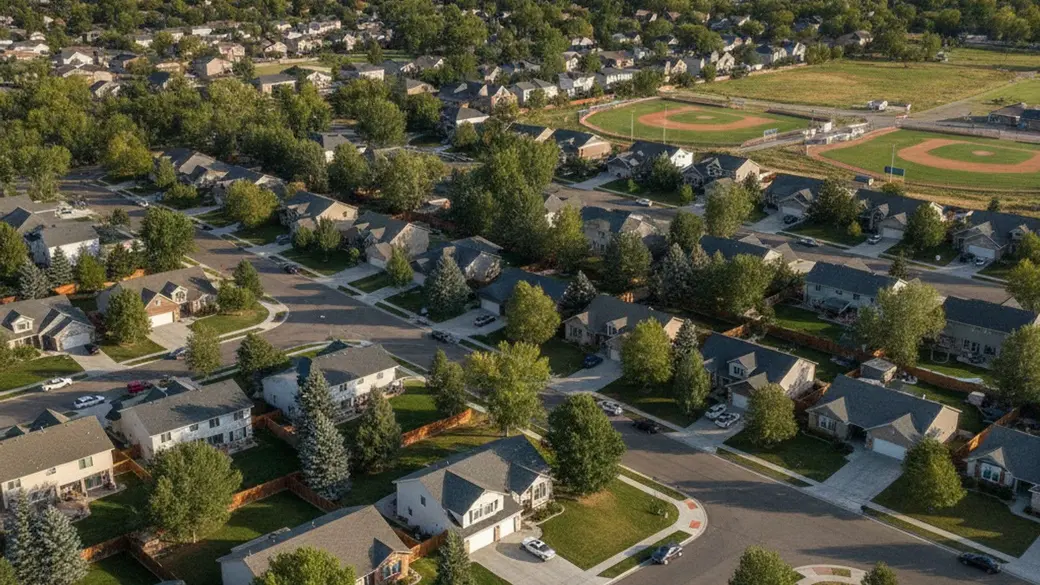
As of summer 2026, Layton's housing market is moving at a steady pace - homes are spending roughly 30 days on the market before going under contract, and the median sale price is sitting around $500,000. If you are planning to sell your home in Layton, these steady conditions offer a predictable timeline. With about 225 homes in local inventory, buyers are actively competing for well-maintained properties in Davis County.
Once an offer gets accepted, the transaction moves into due diligence. That's when you hand over a detailed history of your property's condition - and filling out that paperwork accurately matters. It protects both sides from post-sale disputes and keeps the closing timeline from blowing up.
Understanding the Seller Disclosure Statement
The seller disclosure statement is a formal document where you, as the current owner, lay out everything you know about the physical condition of your home. Past roof leaks, recent plumbing upgrades, foundation repairs - it all goes in writing here.
The standard form used across Utah is the Seller's Property Condition Disclosure, which most people call Form 10. The Utah Association of Realtors copyrights this document for use by its members only. If you're selling a lot rather than a home, there's a specific variation called the Seller's Property Condition Disclosure (Land).
What the Document Covers and Means
You'll hear real estate professionals throw around abbreviations like SPD or SRPD. They all point to the same standardized Form 10.
The form runs through a series of yes-or-no questions about your home's systems and structure. Answer "yes" to a known issue, and you're required to follow up with an explanation - either what the problem is or what repair work was done to address it.
Protecting Buyers and Sellers
For the buyer, this document gives them a baseline understanding of what they're getting into. It tells their inspector exactly where to look during due diligence.
For you as the seller, a thorough and honest disclosure reduces your legal exposure after the sale closes. Once you've laid out all known defects upfront, it's much harder for a buyer to come back later claiming they were misled.
Utah Real Estate Disclosure Laws
Utah state statutes spell out what you're required to reveal to a buyer before ownership transfers. The primary statutory framework lives in Title 57 of the Utah Code. The law also sets clear limits on what you don't have to share - so understanding both sides of that line is useful.
Mandatory Disclosures Under State Code
The only disclosure explicitly required by Utah's statutory law involves methamphetamine contamination. Under Utah Code § 57-27-201, you must tell prospective buyers whether there has been contamination due to the use, storage, or manufacture of methamphetamines in the home.
Beyond that specific statute, the Utah Supreme Court has ruled that sellers must disclose known material defects that couldn't have been discovered by a reasonable inspection by an ordinary prudent buyer. In plain terms: if there's a foundation crack behind the drywall that an inspector wouldn't find, you need to disclose it.
Exemptions and Stigmatized Properties
State law carves out specific non-disclosure protections for certain situations. You don't have to disclose that a home was the location of a homicide, a suicide, or a decontaminated methamphetamine lab.
You also don't have to disclose if a previous occupant had a disease, such as AIDS, that the Utah Department of Health has determined cannot be transferred by occupancy. Utah Code § 57-1-37 goes further, stating that a homeowner need not disclose that the property is "stigmatized" by a bad reputation, a major crime, or a reported haunting.
Penalties for Withholding Information
The Utah Supreme Court ruling that requires disclosure of known material defects isn't just a guideline - it sets the legal standard. Miss it, and you're exposed.
Buyers who discover hidden defects after closing routinely pursue legal action based on that precedent. Documenting everything you know on Form 10 is straightforward protection.
The Difference Between Non-Disclosure of Price and Property Condition
Here's a terminology issue that trips people up regularly. Utah is widely known as a non-disclosure state - but that label applies specifically to the sale price of a home, not its physical condition. They're two completely separate things.
Sale Price Privacy
In Utah, the final sale price of a property isn't public record. When a house closes in Layton, the county recorder doesn't publish what the buyer paid.
Real estate agents have access to that data through the local Multiple Listing Service to help price homes accurately, but the general public can't look it up on county tax websites.
What This Means for Buyers
Because sale prices stay private, buyers depend on their agents to pull comparable sold data before making an offer. Your agent uses the MLS to see what similar homes in Layton recently sold for - that's how you avoid overpaying.
None of that price privacy, though, touches the seller's obligation on condition. The seller still has to provide a complete Form 10 detailing the physical state of the house. One thing has nothing to do with the other.
Completing the Real Property Disclosure Form
The Seller's Property Condition Disclosure walks you through multiple categories covering both the house and the land. You fill it out to the best of your current knowledge - this isn't a warranty, it's a record of what you know.
The form is comprehensive, running from the roof down to the sewer line. If you're transferring a piece of land without a dwelling, you'll use the Seller's Property Condition Disclosure (Land) form instead.
Structural and System Details
Form 10 asks you to report on the condition of the roof, foundation, and exterior walls - any known leaks, cracks, or past repairs in those structural components need to be noted.
The major mechanical systems get their own section. You'll need to disclose the working condition of the HVAC system, plumbing, electrical wiring, and any included appliances.
Environmental Hazards and Defects
There's a dedicated section for environmental hazards that lines up directly with state law. You'll answer questions about potential methamphetamine contamination as required by Utah Code § 57-27-201.
This is also where you document any known material defects a normal inspection wouldn't uncover - which fulfills the disclosure requirement set by the Utah Supreme Court.
Deadlines and Timing in a Utah Transaction
There's no single state-mandated timeline here. Under the Utah Real Estate Purchase Contract (REPC), the Seller Disclosure Deadline is a negotiated date specified in Section 24(a). Every transaction can look a little different.
Buyers and sellers agree on these dates before signing, so everyone knows when documents are due and when the review window closes.
Delivering the Disclosure Form
You deliver the disclosure after you've agreed on price and before closing - during the buyer's due diligence period. In practice, the deadline usually lands five to seven days after the contract is signed. Some contracts spell it out as "Ten (10) calendar days following Acceptance" or "Ten (10) Business days following Acceptance," which is a good illustration of how much the exact number of days can vary by negotiation rather than statute.
The Buyer's Due Diligence Window
Utah's REPC gives buyers a negotiated due diligence period rather than a fixed statutory rescission window. For resale homes that's typically 14 calendar days; for new construction, it's typically 21 days.
If the buyer finds something unacceptable - in the disclosure or during the inspection - they can cancel in writing before the deadline and get their earnest money back in full. If that deadline falls on a Saturday, Sunday, or Utah state holiday, the REPC pushes it to the next business day at 5:00 PM Mountain Time.
Frequently Asked Questions
Do I have to disclose Hill AFB flight path noise when selling a house in Layton?
It depends. The Utah Supreme Court requires the disclosure of known material defects that an ordinary buyer could not discover during a reasonable inspection. If the noise is obvious during a standard visit, it may not meet the legal threshold for a hidden defect, but documenting it on Form 10 is common practice.
Am I required to provide a Seller's Property Condition Disclosure if I am selling my Layton home 'as-is'?
Yes. Selling a home "as-is" means you're not willing to make repairs - it doesn't waive your legal obligation to disclose known issues. You still have to provide the Seller's Property Condition Disclosure (Form 10) and reveal any known material defects or methamphetamine contamination as required by Utah Code.
How many days after going under contract do I have to give the buyer my disclosure forms in Utah?
The exact number of days is negotiated in Section 24(a) of the Utah Real Estate Purchase Contract (REPC). It's typically five to seven days after the contract is signed, but some agreements specify 10 calendar or business days following acceptance.
What happens if a buyer finds a defect I didn't know about after we close on the house?
Sellers are only required to disclose defects they actually know about. The Utah Supreme Court ruling specifies the disclosure of "known material defects." If you genuinely had no knowledge of the issue, you're generally not held liable for it after closing.
If I rented out my Layton property and never lived there, do I still need to fill out the seller disclosure?
Yes. You complete the Seller's Property Condition Disclosure to the best of your knowledge. Even if you never occupied the home, you must disclose any material defects or required environmental hazards you became aware of while managing the rental.
Does Utah law require me to disclose past basement flooding if it was already completely repaired?
Yes. Form 10 requires you to disclose known material defects and past structural or system issues. Note the past flooding and explain the repair work that resolved it.
Categories
Recent Posts